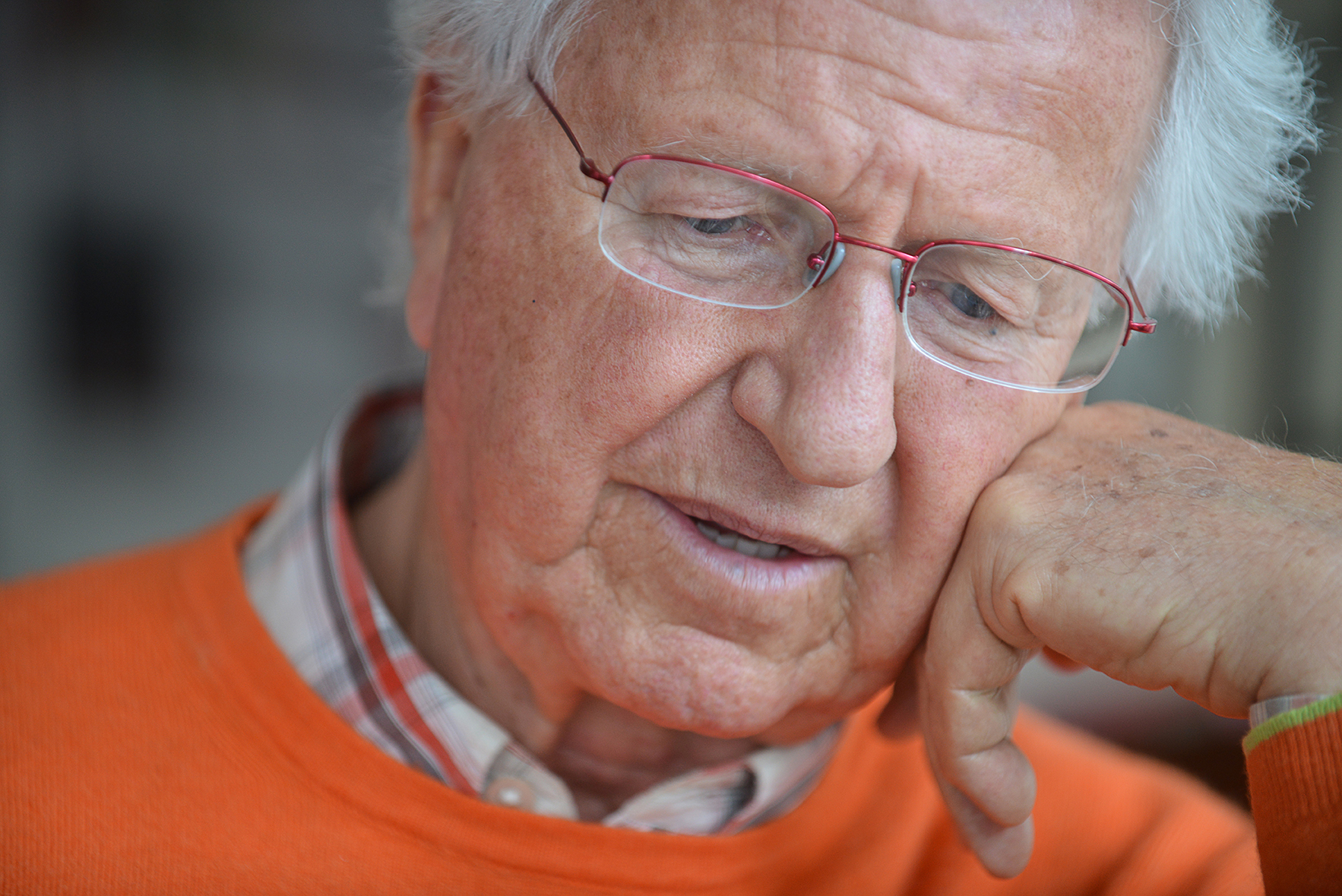
Heart attacks are often associated with severe chest pain and dramatic medical emergencies. However, in many older adults, heart attacks do not present with these classic symptoms. Instead, they may occur quietly with subtle signs that are easy to overlook.
This guide explains what silent heart attacks are, why they occur more frequently in older adults, the symptoms families should watch for, and how early detection can save lives.
What Is a Silent Heart Attack?
Find YOUR ideal care home NOW!
A silent heart attack is a type of myocardial infarction that occurs without the intense chest pain usually associated with heart attacks.
In medical terms, the heart muscle still experiences reduced blood flow due to a blocked coronary artery. However, the symptoms are either mild or unusual, making the event harder to recognise.
Many people who experience silent heart attacks may only discover the problem later during routine medical tests such as an electrocardiogram (ECG) or cardiac imaging.
Silent heart attacks can still damage the heart muscle, even if the symptoms appear minor.
Why Silent Heart Attacks Are More Common in Older Adults
Several factors contribute to the higher occurrence of silent heart attacks in elderly populations.
Age-related changes in the nervous system can affect how pain signals are perceived. As a result, older adults may experience less intense chest pain during a heart attack.
Additionally, many seniors live with chronic conditions such as diabetes, high blood pressure, or cardiovascular disease. These conditions can alter how the body responds to heart stress.
For individuals with diabetes, nerve damage known as diabetic neuropathy can reduce pain perception, making heart attack symptoms less noticeable.
Because of these factors, silent heart attacks may go unrecognised until complications develop.
Silent Heart Attack Symptoms in Elderly People
Unlike classic heart attacks, which often involve severe chest pain radiating to the arm or jaw, silent heart attacks may produce subtle or unusual symptoms.
These symptoms can easily be mistaken for fatigue, digestive problems, or general ageing.
| Symptom | Description | Why It May Occur |
|---|---|---|
| Fatigue | Unusual tiredness that appears suddenly | Reduced oxygen supply to heart muscle |
| Breathlessness | Shortness of breath during mild activity or at rest | Heart struggling to pump efficiently |
| Nausea or digestive discomfort | Upset stomach or feeling unwell | Nerve signals from the heart affecting digestion |
| Mild chest discomfort | Pressure or tightness rather than sharp pain | Reduced blood flow in coronary arteries |
| Weakness or dizziness | Feeling lightheaded or unstable | Reduced circulation affecting brain and muscles |
Because these symptoms appear less dramatic than classic heart attack signs, they may be ignored or attributed to other health issues.
Why Silent Heart Attacks Are Dangerous
Silent heart attacks can be particularly dangerous because they often remain undiagnosed for longer periods.
When people do not recognise the symptoms, they may delay seeking medical care. This delay allows heart damage to progress.
Over time, untreated heart damage can lead to complications such as heart failure, arrhythmias, or increased risk of future heart attacks.
In some cases, individuals only discover they experienced a silent heart attack months or even years later during routine medical testing.
This highlights the importance of recognising subtle symptoms early.
Risk Factors for Silent Heart Attacks
Certain groups of people face a higher risk of experiencing silent heart attacks.
Older adults are particularly vulnerable because of age-related cardiovascular changes.
People with diabetes are also at increased risk due to nerve damage that reduces pain sensitivity.
Other factors include high blood pressure, high cholesterol, obesity, smoking, and a family history of heart disease.
Understanding these risk factors can help individuals and healthcare professionals identify those who may need closer monitoring.
How Silent Heart Attacks Are Diagnosed
Silent heart attacks are often discovered through medical tests rather than obvious symptoms.
Electrocardiograms (ECGs) can reveal patterns that indicate past damage to the heart muscle.
Blood tests measuring cardiac enzymes can also help detect recent heart injury.
Imaging tests such as echocardiograms or cardiac MRI scans may be used to assess the extent of heart damage.
Regular health screenings are therefore important for older adults, especially those with cardiovascular risk factors.
When to Seek Medical Attention
Because silent heart attacks can present with unusual symptoms, it is important not to dismiss sudden health changes.
Any unexplained fatigue, breathlessness, nausea, or mild chest discomfort in older adults should be taken seriously.
If these symptoms appear suddenly or worsen rapidly, immediate medical evaluation is recommended.
Healthcare professionals may perform tests to determine whether the symptoms are related to heart problems or other conditions.
Prompt treatment can reduce heart damage and improve recovery outcomes.
Preventing Heart Attacks in Older Adults
Although silent heart attacks cannot always be prevented, several lifestyle strategies can significantly reduce cardiovascular risk.
Maintaining a heart-healthy diet rich in fruits, vegetables, whole grains, and lean protein can support cardiovascular health.
Regular physical activity, even gentle exercise such as walking, can improve circulation and strengthen the heart.
Managing chronic conditions such as diabetes and high blood pressure is also essential.
Regular medical check-ups allow doctors to monitor heart health and adjust treatments when necessary.
These preventive measures can help reduce the likelihood of both silent and typical heart attacks.
The Role of Care Homes and Healthcare Providers
Care homes and healthcare professionals play a crucial role in identifying potential heart problems in elderly residents.
Staff are trained to recognise subtle changes in health that may signal underlying medical issues.
Routine monitoring of blood pressure, heart rate, and overall wellbeing can help detect early warning signs.
In residential care settings, early recognition of symptoms such as breathlessness or sudden fatigue can lead to timely medical evaluation.
Family members also play an important role by reporting any unusual symptoms they observe in their loved ones.
Supporting Heart Health in Later Life
Maintaining heart health is essential for preserving independence and quality of life in older adults.
Lifestyle factors, medical management, and regular health monitoring all contribute to cardiovascular wellbeing.
Encouraging older adults to stay physically active, socially engaged, and attentive to health changes can reduce the risk of serious complications.
Education about unusual heart attack symptoms is also important, as it allows families to recognise potential warning signs early.
By promoting awareness and preventive care, the impact of silent heart attacks can be reduced.
Why Awareness of Silent Heart Attacks Matters
Silent heart attacks remain an under-recognised health issue among elderly populations.
Because symptoms may be subtle or mistaken for minor ailments, many cases go undiagnosed.
Increasing awareness among families, caregivers, and healthcare professionals can improve early detection.
Understanding that heart attacks in elderly people may present with fatigue, breathlessness, or nausea rather than chest pain can help individuals seek medical help sooner.
Early intervention can significantly improve recovery and reduce the risk of long-term heart damage.
FAQ – Silent Heart Attack Symptoms in Elderly People
What is a silent heart attack?
A silent heart attack is a heart attack that occurs without severe chest pain. Symptoms may be mild or unusual, making the condition harder to detect.
What are the symptoms of a silent heart attack in seniors?
Common symptoms include fatigue, breathlessness, nausea, dizziness, or mild chest discomfort rather than intense pain.
Why do older adults experience silent heart attacks?
Age-related changes and conditions such as diabetes can reduce pain sensitivity, making heart attack symptoms less noticeable.
Can silent heart attacks be dangerous?
Yes. Even without severe symptoms, silent heart attacks can still damage the heart muscle and increase the risk of future heart problems.
When should someone seek medical help?
Any sudden unexplained fatigue, shortness of breath, or chest discomfort should be evaluated by a healthcare professional, especially in older adults.
Need help finding a care home?
Senior Home Plus offers free personalized guidance to help you find a care facility that suits your health needs, budget, and preferred location in the UK.
Call us at 0203 608 0055 to get expert assistance today.
You are looking for a care home or nursing home for your loved one ?
Get our support
Share this article :
Latest posts










You are looking for an establishment for your loved one ?
Get availability & prices
Fill in this form and receive
all the essential information
We would like to inform you of the existence of the opposition list for telephone canvassing.
