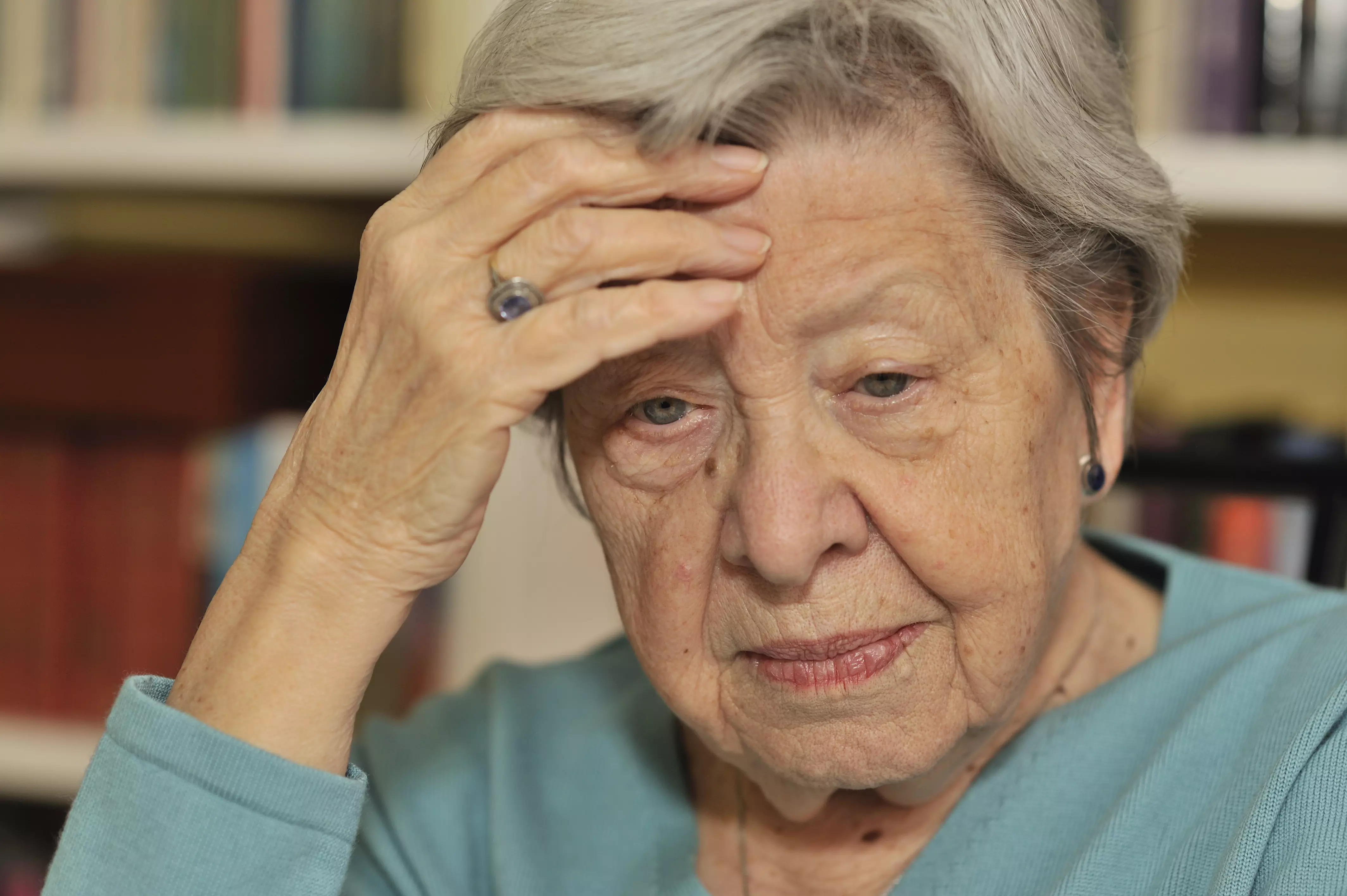
For many people, a lifetime of independence becomes part of identity. Being capable, self-reliant, and useful often defines how strength is understood. As people age, this identity does not disappear. What changes is how it can be sustained.
Letting go of the need to do everything alone is often one of the hardest emotional shifts in later life. It can feel like surrender. In reality, it is frequently an act of adaptation, not loss. Understanding this distinction helps elderly people preserve dignity while protecting long-term well-being.
Why Self-Reliance Becomes So Deeply Rooted
Self-reliance is reinforced over decades. Work, family responsibilities, and social expectations reward those who manage without help.
By later life, doing things independently is not just practical. It is symbolic. It represents control, competence, and self-respect. Letting go of this role can feel threatening, even when daily tasks become more demanding. Identity often lags behind physical change.
When Doing Everything Alone Starts to Cost More Than It Gives
Over time, effort that once felt manageable can become exhausting. Tasks take longer. Recovery takes more energy. Small challenges accumulate.
Continuing to do everything alone may preserve a sense of independence on the surface, but internally it can increase fatigue, stress, and vulnerability. This strain often goes unspoken.
Strength that relies solely on endurance eventually becomes unsustainable.
Letting Go as an Act of Self-Awareness
Find YOUR ideal care home NOW!
Letting go does not happen because someone gives up. It happens when someone recognises limits with honesty.
Choosing support for certain tasks reflects self-awareness, not weakness. It allows energy to be redirected toward what matters most, rather than spent maintaining appearances. Awareness is a form of strength.
Why Accepting Help Feels Emotionally Difficult
Accepting help challenges long-held beliefs about value and usefulness. Many elderly people fear that once they accept help, expectations will permanently shift.
This fear can delay adjustment. Yet in practice, accepting selective help often restores confidence rather than eroding it. When effort becomes proportionate again, life feels more manageable. Fear protects identity, even when it limits comfort.
The Difference Between Letting Go and Losing Control
Letting go does not mean losing control. It means choosing where control is exercised.
When elderly people remain involved in decisions, preferences, and routines, they retain autonomy even as support increases. Control shifts from physical execution to direction. Agency replaces effort.
How Letting Go Supports Independence Over Time
| Approach | Short-Term Feeling | Long-Term Impact |
|---|---|---|
| Doing everything alone | Pride mixed with strain | Growing fatigue and risk |
| Selective acceptance of help | Initial discomfort | Preserved energy and confidence |
| Shared responsibility | Relief and balance | Sustainable independence |
How Letting Go Often Happens Gradually
Rarely does this shift happen all at once. More often, it unfolds through small decisions. Allowing help with heavier tasks. Accepting reminders. Adjusting routines.
Each step may feel minor, yet together they reshape daily life in a way that feels safer and more balanced. Adaptation is incremental.
Why Letting Go Can Restore Confidence
Paradoxically, accepting help often restores confidence. When daily life becomes less exhausting, elderly people may feel more capable, not less.
Confidence returns when effort aligns with ability. Life feels manageable again rather than demanding. Balance reinforces self-belief.
The Role of Family in Supporting This Transition
Families can unintentionally make letting go harder by framing help as necessity or decline. Language matters.
When support is presented as choice rather than requirement, elderly people are more likely to engage willingly. Respecting pace and preference preserves dignity. Support should empower, not persuade.
Redefining Strength in Later Life
Strength in later life is not measured by how much one can endure alone. It is measured by how well one adapts.
Letting go of the need to do everything oneself is not a failure. It is a recalibration that allows life to continue with greater comfort and control. Strength evolves. It does not disappear.
FAQ – Letting Go and Independence
Does letting go mean losing independence?
No. Independence is preserved through choice and involvement.
Why is accepting help so emotionally hard?
Because it challenges identity and long-held beliefs about strength.
Can accepting help increase confidence?
Yes. Reduced strain often restores confidence and energy.
How can families support this process?
By offering choices and respecting autonomy.
Is letting go a one-time decision?
No. It is an ongoing, gradual adjustment.
Need help finding a care home?
Senior Home Plus offers free personalized guidance to help you find a care facility that suits your health needs, budget, and preferred location in the UK.
Call us at 0203 608 0055 to get expert assistance today.
You are looking for a care home or nursing home for your loved one ?
Get our support
Share this article :
Latest posts










You are looking for an establishment for your loved one ?
Get availability & prices
Fill in this form and receive
all the essential information
We would like to inform you of the existence of the opposition list for telephone canvassing.
