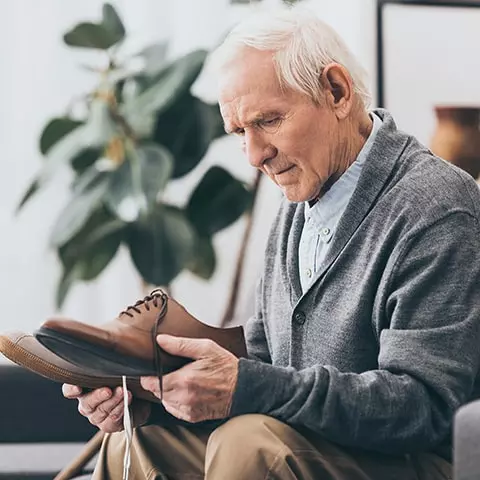
After the age of 70, daily life often feels different even when routines remain the same. Tasks that were once effortless may require more attention, and minor discomforts can have a greater impact on energy and mood.
This shift does not mean that independence is disappearing. More often, it means that the body and mind are asking for a different approach. Comfort becomes a central factor in well-being, not as a luxury, but as a condition for staying active, engaged, and confident.
The most effective changes are rarely dramatic. Small, thoughtful adjustments can significantly improve comfort without altering identity or daily habits.
Why Comfort Becomes More Important With Age
Find YOUR ideal care home NOW!
Comfort is closely linked to energy. When movements are awkward, environments are demanding, or routines are rushed, energy drains faster.
After 70, recovery takes longer and tolerance for strain decreases. Discomfort that might once have been ignored now accumulates throughout the day. Addressing it early helps prevent fatigue and frustration. Comfort supports sustainability.
The Difference Between Adaptation and Limitation
Many people resist adjustments because they fear these changes signal decline. In reality, adaptation is a form of self-preservation.
Adjustments do not reduce life. They refine it. By reducing unnecessary effort, they allow people to continue doing what matters with greater ease. Adaptation preserves autonomy.
How Small Changes Reduce Daily Strain
Daily strain often comes from repeated minor challenges. Standing too long, reaching too far, bending too often, or navigating cluttered spaces adds up.
Small changes remove friction. They smooth the flow of daily life, making tasks feel lighter without being eliminated. Ease comes from alignment, not from avoidance.
Comfort and Emotional Well-Being
Physical comfort directly affects emotional balance. When the body feels at ease, patience increases and stress decreases.
Discomfort, by contrast, can heighten irritability and withdrawal. Addressing comfort is therefore not only physical, but emotional. Comfort creates calm.
Small Adjustments That Improve Everyday Comfort
| Daily Area | Common Source of Discomfort | Simple Adjustment |
|---|---|---|
| Morning routine | Stiffness and rushing | Allowing extra time and slower pacing |
| Home environment | Frequent reaching or bending | Repositioning commonly used items |
| Daily movement | Fatigue from standing too long | Adding natural rest moments |
Why Pace Is a Key Adjustment
Speed often becomes a hidden source of discomfort. Rushing increases tension, reduces precision, and amplifies fatigue.
Adjusting pace does not mean becoming inactive. It means allowing movements to remain smooth and controlled. Many tasks take the same amount of time overall but feel far less demanding. Pace protects energy.
Making the Environment Work With You
Environments that once felt neutral may no longer match current needs. This mismatch creates effort.
Simple environmental adjustments, such as reducing clutter, improving lighting, or creating clear pathways, can dramatically increase comfort without making a space feel medical or restrictive.
The environment should support, not challenge.
Listening to Subtle Signals
Discomfort often announces itself quietly. Small aches, hesitation before movement, or increased fatigue are early signals.
Responding to these signals with small changes prevents larger disruptions later. Comfort adjustments are most effective when they are proactive rather than reactive. Early attention prevents decline.
Comfort and Independence Are Not Opposites
Some people believe that prioritising comfort means giving up independence. In reality, comfort often extends independence.
When daily life feels manageable, people remain active and engaged longer. Discomfort, not support, is what limits independence over time. Comfort enables continuity.
Adjusting Without Overhauling Routine
The most successful adjustments fit naturally into existing routines. They do not require learning new systems or abandoning habits.
Small shifts in timing, layout, or sequencing often provide significant relief while preserving familiarity. Familiarity supports confidence.
When Comfort Restores Confidence
As comfort increases, confidence often follows. Tasks feel less daunting. The day feels more predictable.
This renewed confidence encourages continued engagement rather than withdrawal. Comfort creates a positive cycle. Ease invites participation.
FAQ – Everyday Comfort After 70
Are small adjustments really enough to make a difference?
Yes. Small changes often have a strong cumulative effect.
Does prioritising comfort mean doing less?
No. It means doing the same things with less strain.
How can I tell if discomfort is affecting my day?
When tasks leave you unusually tired or frustrated.
Is slowing down a loss of independence?
No. It is an adaptive strategy that preserves energy.
Should adjustments be permanent?
They can evolve as needs change.
Need help finding a care home?
Senior Home Plus offers free personalized guidance to help you find a care facility that suits your health needs, budget, and preferred location in the UK.
Call us at 0203 608 0055 to get expert assistance today.
You are looking for a care home or nursing home for your loved one ?
Get our support
Share this article :
Latest posts










You are looking for an establishment for your loved one ?
Get availability & prices
Fill in this form and receive
all the essential information
We would like to inform you of the existence of the opposition list for telephone canvassing.
