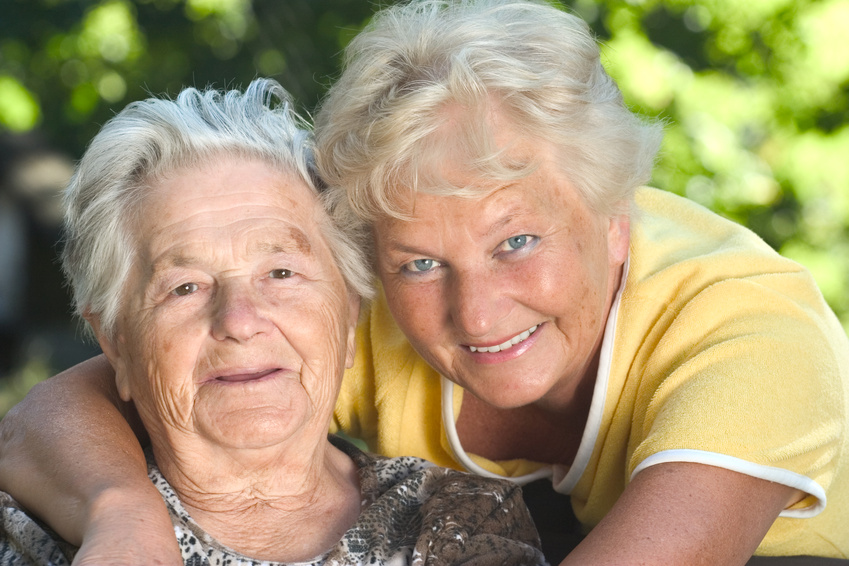
Dehydration is a frequent yet often underestimated issue in older adults. While thirst may diminish with age, the skin often becomes the first visible indicator that the body lacks sufficient fluids. Subtle changes in texture, elasticity, and comfort can appear long before dehydration is recognised internally.
Understanding how dehydration shows on aging skin helps identify early warning signs and prevent complications that extend beyond dryness alone.
Why Dehydration Affects Aging Skin More Quickly
Find YOUR ideal care home NOW!
As skin ages, its ability to retain moisture decreases.
Natural oils that help seal hydration within the skin are produced in smaller quantities. The skin barrier becomes thinner and less effective, allowing water to evaporate more easily. At the same time, overall body water reserves decline with age. This combination means that even mild dehydration can visibly affect older skin.
Dryness That Persists Despite Moisturising
One of the earliest signs of dehydration is persistent dryness.
Unlike surface dryness caused by environmental factors, dehydration-related dryness does not fully improve with topical products alone. The skin may feel tight, rough, or uncomfortable even after moisturising. This type of dryness reflects a lack of hydration from within rather than a simple skin care issue.
Loss of Skin Elasticity
Hydrated skin is naturally elastic and resilient.
When dehydration occurs, the skin loses its ability to bounce back. It may appear less supple and feel thinner or more fragile. In older adults, reduced elasticity can make the skin more prone to irritation, tearing, and delayed healing. Elasticity loss is a key indicator of hydration status.
Dull or Tired Skin Appearance
Dehydration often affects the overall appearance of the skin. The skin may look dull, less luminous, or uneven in tone. Fine lines may appear more pronounced due to reduced water content in the skin layers. These changes can occur even without obvious flaking.
A dull complexion often reflects internal fluid imbalance.
Increased Sensitivity and Itching
Dehydrated skin is more sensitive. When water levels drop, nerve endings become more exposed and reactive. This can lead to itching, tingling, or discomfort, even without visible redness. Scratching dehydrated skin increases the risk of injury and infection, especially in older adults.
Itching can be an early sign of dehydration rather than a skin disorder.
Slower Recovery From Minor Irritation
Healthy hydration supports skin repair. In dehydrated older adults, even minor irritation or pressure marks may linger longer than expected. Reduced circulation combined with insufficient hydration delays the healing process and prolongs visible skin changes.
Slow recovery should prompt closer attention to hydration status.
Why Dehydration Often Goes Unnoticed
Older adults may not feel thirsty even when hydration levels are low. Changes in thirst perception, mobility limitations, or routine habits can reduce fluid intake. As a result, skin changes may be the most reliable early indicator of dehydration.
Recognising skin signs helps compensate for reduced thirst signals.
Skin Signs of Dehydration in Older Adults
| Skin Change | What It Looks Like | Why It Matters |
|---|---|---|
| Persistent dryness | Tight, rough skin | May indicate low fluid levels |
| Reduced elasticity | Skin less resilient | Higher fragility risk |
| Dull appearance | Lack of radiance | Reflects internal imbalance |
| Itching | Discomfort without rash | Early dehydration sign |
| Slow recovery | Marks linger longer | Delayed healing |
Skin Dehydration Is More Than a Cosmetic Issue
In older adults, skin dehydration reflects broader changes in hydration balance and skin resilience. Left unaddressed, it increases the risk of irritation, injury, and delayed healing. Recognising skin signs early allows for timely adjustments and helps protect overall well-being.
FAQ – Dehydration and Skin in Older Adults
Can skin show dehydration before other symptoms appear?
Yes. Skin changes often appear before thirst or fatigue.
Is dry skin always caused by dehydration?
No. But persistent dryness may signal insufficient fluid intake.
Why don’t older adults feel thirsty when dehydrated?
Thirst perception decreases with age.
Can dehydration worsen skin fragility?
Yes. Dehydrated skin tears and heals more slowly.
Should ongoing skin dryness be monitored?
Yes. Persistent changes deserve attention.
Need help finding a care home?
Senior Home Plus offers free personalized guidance to help you find a care facility that suits your health needs, budget, and preferred location in the UK.
Call us at 0203 608 0055 to get expert assistance today.
You are looking for a care home or nursing home for your loved one ?
Get our support
Share this article :
Latest posts










You are looking for an establishment for your loved one ?
Get availability & prices
Fill in this form and receive
all the essential information
We would like to inform you of the existence of the opposition list for telephone canvassing.
