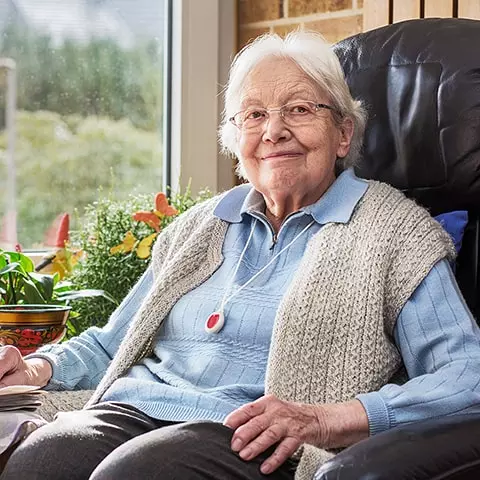
Skin cancer is more common in older adults than in any other age group. This is not due to aging alone, but to the cumulative effects of sun exposure, slower skin repair, and changes in immune surveillance that occur over time. Many warning signs develop subtly, making them easy to overlook or misinterpret as harmless age-related skin changes.
Understanding why skin cancer risk increases with age, and knowing which signs deserve attention, plays a critical role in early detection and better outcomes.
Why Skin Cancer Risk Increases With Age
Find YOUR ideal care home NOW!
Skin cancer does not usually develop overnight. It is often the result of damage accumulated over decades.
Repeated exposure to ultraviolet radiation gradually alters skin cells. While the body can repair some of this damage when we are younger, the repair mechanisms become less efficient with age. At the same time, immune responses that normally detect and eliminate abnormal cells slow down.
As a result, abnormal skin cells are more likely to persist and multiply later in life.
Aging Skin Masks Early Warning Signs
One of the challenges in detecting skin cancer in older adults is that aging skin already shows many changes.
Thinning, discoloration, rough patches, and benign growths are common. These normal changes can make it difficult to distinguish early cancerous lesions from harmless ones. In some cases, suspicious lesions may be painless and slow-growing, further delaying attention. Vigilance matters more than appearance alone.
Key Warning Signs That Should Not Be Ignored
Skin cancer warning signs are not always dramatic. They often begin with subtle changes.
A lesion that changes in size, shape, or color deserves attention. So do sores that do not heal, patches that bleed easily, or growths that suddenly become raised or irritated. Differences from surrounding skin, or from other existing lesions, are often more important than size. Change over time is a critical indicator.
Sun-Exposed Areas Are at Higher Risk
Areas that have received the most sun exposure over a lifetime are more vulnerable.
The face, scalp, neck, hands, arms, and lower legs are common locations for skin cancers in older adults. Because these areas are frequently visible, changes may be noticed—but also dismissed as normal aging. Regular observation of sun-exposed skin is essential.
Why Early Detection Is Especially Important in Seniors
Early-stage skin cancers are often easier to manage and less likely to cause complications.
In older adults, healing can be slower and tolerance to advanced treatments may be reduced. Detecting changes early allows for simpler interventions and lowers the risk of progression. Timely attention protects both health and quality of life.
Monitoring Is a Shared Responsibility
Skin changes in later life should be observed consistently.
Noticing patterns, comparing new lesions to existing ones, and paying attention to evolution over time helps identify potential concerns. Skin that looks “different from the rest” or behaves unpredictably deserves closer evaluation. Observation is not alarmism, it is prevention.
Skin Cancer Risk in the Elderly: What to Watch For
| Warning Sign | What It May Look Like | Why It Matters |
|---|---|---|
| Changing lesion | Growth or color change | Possible abnormal cell activity |
| Non-healing sore | Persistent open area | Delayed healing warning |
| Bleeding or crusting | Fragile surface | Abnormal tissue behavior |
| New growth | Lesion appearing later in life | Needs assessment |
| Lesion that looks different | “Odd one out” appearance | Important diagnostic clue |
Awareness Without Anxiety
Skin cancer risk increases with age, but awareness not fear is the most effective response. Many skin changes are benign, yet vigilance ensures that concerning signs are not missed.
Paying attention to evolution, location, and behavior of skin lesions supports early detection and timely care.
FAQ – Skin Cancer Risk in the Elderly
Is skin cancer more common in older adults?
Yes. Risk increases due to cumulative sun exposure and aging skin.
Do skin cancers always hurt or itch?
No. Many are painless in early stages.
Are new skin lesions in later life concerning?
New or changing lesions should always be observed carefully.
Why is early detection important in seniors?
It allows simpler treatment and reduces complications.
Should sun-exposed skin be checked regularly?
Yes. These areas carry the highest risk.
Need help finding a care home?
Senior Home Plus offers free personalized guidance to help you find a care facility that suits your health needs, budget, and preferred location in the UK.
Call us at 0203 608 0055 to get expert assistance today.
You are looking for a care home or nursing home for your loved one ?
Get our support
Share this article :
Latest posts










You are looking for an establishment for your loved one ?
Get availability & prices
Fill in this form and receive
all the essential information
We would like to inform you of the existence of the opposition list for telephone canvassing.
