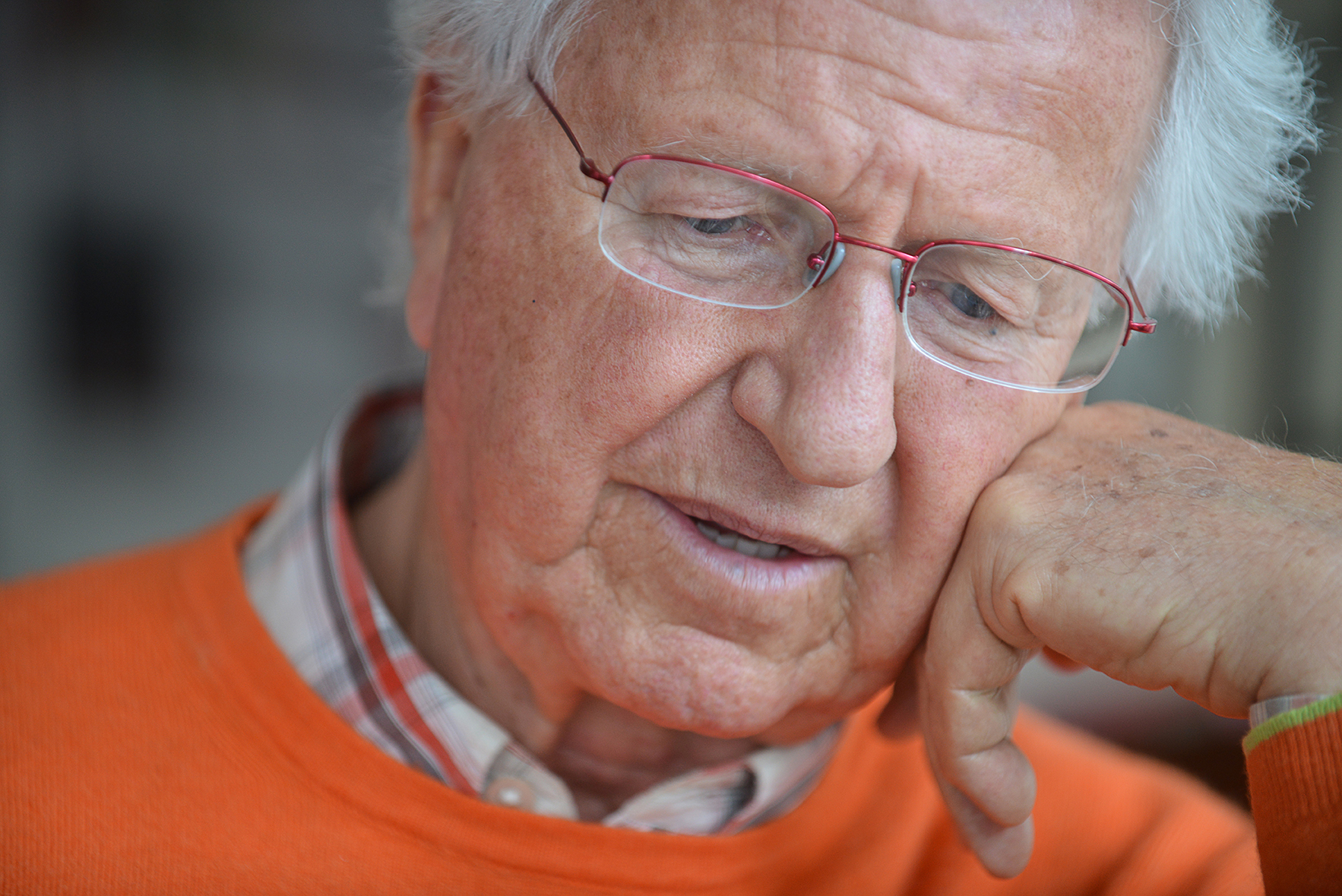
Skin infections are significantly more common in older adults than in younger populations. This increased vulnerability is not due to poor hygiene or lack of care, but rather to a combination of natural biological changes that occur with age.
Understanding why seniors are more prone to skin infections helps identify early warning signs, reduce complications, and support better skin health over time.
Aging Skin Loses Its Protective Barrier
Find YOUR ideal care home NOW!
Healthy skin acts as a physical barrier against bacteria, fungi, and other microorganisms. With age, this barrier becomes weaker.
Thinning skin, reduced oil production, and slower cell renewal make it easier for pathogens to penetrate the surface. Small cracks caused by dryness or friction can become entry points for infection, even when they are barely visible. A compromised barrier is the first step toward infection.
The Immune Response Becomes Less Efficient
As people age, the immune system responds more slowly and less robustly to external threats.
When bacteria or fungi reach the skin, the body may take longer to recognise and control the infection. This delay allows microorganisms to multiply, increasing both the severity and duration of skin infections. Reduced immune efficiency does not mean immunity disappears—it simply reacts differently.
Slower Healing Increases Infection Risk
Wound healing slows significantly with age due to reduced blood circulation and delayed cell regeneration.
Cuts, scratches, or skin tears that would heal quickly in younger skin may remain open longer in older adults. The longer the skin remains broken, the greater the risk of infection.
Healing speed plays a crucial role in skin defence.
Dry and Fragile Skin Breaks More Easily
Dryness is extremely common in older adults and contributes directly to infection risk.
Dry skin cracks easily, especially on the legs, hands, and feet. These micro-injuries are often painless and go unnoticed, yet they provide ideal conditions for bacteria and fungi to enter. Moisture balance is essential for skin integrity.
Chronic Conditions Can Affect Skin Resistance
Many older adults live with chronic conditions that influence skin health.
Circulatory issues, metabolic changes, and reduced sensation can all impair the skin’s ability to defend itself. When circulation is limited, oxygen and nutrients reach the skin more slowly, weakening its resilience.
Skin vulnerability often reflects overall health status.
Infections May Appear Subtle at First
One of the challenges with skin infections in seniors is that symptoms may be less obvious.
Redness, warmth, or swelling may develop gradually. Pain and fever may be absent, especially in early stages. This makes infections easier to overlook until they become more advanced. Early recognition is critical.
Why Skin Infections Are More Common in Seniors
| Contributing Factor | What Changes With Age | Impact on Infection Risk |
|---|---|---|
| Skin thinning | Weaker protective barrier | Easier pathogen entry |
| Reduced immunity | Slower immune response | Delayed infection control |
| Dry skin | Loss of moisture | Cracks and micro-wounds |
| Slower healing | Reduced circulation | Prolonged exposure |
| Subtle symptoms | Less visible inflammation | Delayed detection |
Skin Infections Are Not a Normal Part of Aging
While aging increases vulnerability, skin infections should never be considered inevitable or harmless.
With attentive observation, gentle daily care, and early response to changes, most infections can be prevented or treated effectively. Awareness, not alarm, is the key to protecting aging skin.
FAQ – Skin Infections in Seniors
Why do seniors get skin infections more easily?
Because aging skin is thinner, drier, and supported by a slower immune response.
Are small cuts really a problem?
Yes. Even minor skin breaks can become infected if healing is delayed.
Can infections appear without pain or fever?
Yes. Early signs may be subtle in older adults.
Does dry skin increase infection risk?
Yes. Cracks in dry skin allow bacteria to enter.
Can skin infections be prevented?
Many can be reduced with early care and regular skin monitoring.
Need help finding a care home?
Senior Home Plus offers free personalized guidance to help you find a care facility that suits your health needs, budget, and preferred location in the UK.
Call us at 0203 608 0055 to get expert assistance today.
You are looking for a care home or nursing home for your loved one ?
Get our support
Share this article :
Latest posts










You are looking for an establishment for your loved one ?
Get availability & prices
Fill in this form and receive
all the essential information
We would like to inform you of the existence of the opposition list for telephone canvassing.
