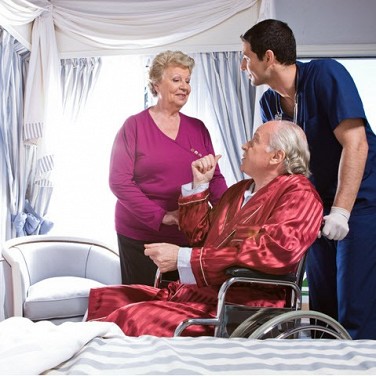
For many families, the idea of residential care is emotionally charged. It is often associated with failure, loss, or surrender. Parents may fear being abandoned, while families worry they are giving up too soon or not trying hard enough.
Yet the question “Is choosing residential care giving up?” deserves a more honest and balanced answer. In reality, it is often the opposite.
Why This Question Comes Up So Often
Find YOUR ideal care home NOW!
Choosing residential care usually follows months or years of increasing support. Families adapt gradually, doing more to compensate for declining health, mobility, or cognition. When informal support reaches its limits, the decision to seek structured care can feel like crossing a line.
That emotional weight does not mean the decision is wrong. It means it matters.
The Difference Between Giving Up and Changing Strategy
Giving up implies withdrawal or neglect. Choosing residential care is a change in strategy, not a loss of commitment. It reflects an acknowledgement that needs have changed and that a different form of support is required.
Continuing with an unsustainable situation is not perseverance. It is often risk.
What Choosing Residential Care Actually Represents
| Common Fear | What Is Really Happening | Why This Matters |
|---|---|---|
| Loss of independence | Support is matched to current ability | Safety and dignity are preserved |
| Abandonment | Families remain emotionally involved | Relationships often improve |
| Failure as a carer | Limits of informal care are recognised | Burnout and harm are prevented |
| Giving up hope | Focus shifts to stability and wellbeing | Quality of life improves |
| Losing control | Decisions become shared and supported | Choice and voice remain central |
Why Staying at Home Is Not Always the Stronger Choice
Staying at home is often seen as the default measure of success. However, when safety, supervision, or medical needs exceed what can realistically be provided, remaining at home may increase risk rather than protect wellbeing.
Strength is not measured by location, but by outcomes.
The Emotional Weight of the Decision
Guilt is common. Families may feel they are breaking a promise or failing a parent’s wishes. Older adults may fear loss of identity or control.
These emotions are valid, but they should not obscure the practical reality that needs have changed.
When Residential Care Becomes a Protective Choice
Residential care is often chosen when daily life becomes unpredictable, unsafe, or exhausting. It provides structure, consistency, and oversight that informal arrangements can no longer sustain.
Choosing it early enough allows for planning, dignity, and smoother adjustment.
What Families Often Discover After the Decision
Many families report reduced stress, better sleep, and improved emotional connection after the transition. Conversations shift from crisis management to meaningful time together.
Care does not replace family involvement. It reshapes it.
Preserving Dignity Through the Right Support
Residential care can support autonomy by reducing fear, pain, and confusion. When individuals feel safe, they are often more willing to engage, decide, and express preferences.
Support can restore confidence rather than diminish it.
Reframing the Narrative
Choosing residential care is not about giving up. It is about accepting reality with clarity and compassion. It reflects responsibility, not retreat.
It is often the most caring decision available.
FAQ – Choosing Residential Care
Is choosing residential care giving up?
No. It is usually a proactive response to changing needs.
Is it a failure of the family?
No. It recognises the limits of informal care.
Can families stay involved after admission?
Yes. Emotional involvement often increases.
Does residential care mean loss of independence?
No. It supports safe autonomy.
When is the right time to consider it?
When safety, health, or sustainability are at risk.
Need help finding a care home?
Senior Home Plus offers free personalized guidance to help you find a care facility that suits your health needs, budget, and preferred location in the UK.
Call us at 0203 608 0055 to get expert assistance today.
You are looking for a care home or nursing home for your loved one ?
Share this article :
Latest posts










You are looking for an establishment for your loved one ?
Get availability & prices
Fill in this form and receive
all the essential information
We would like to inform you of the existence of the opposition list for telephone canvassing.
