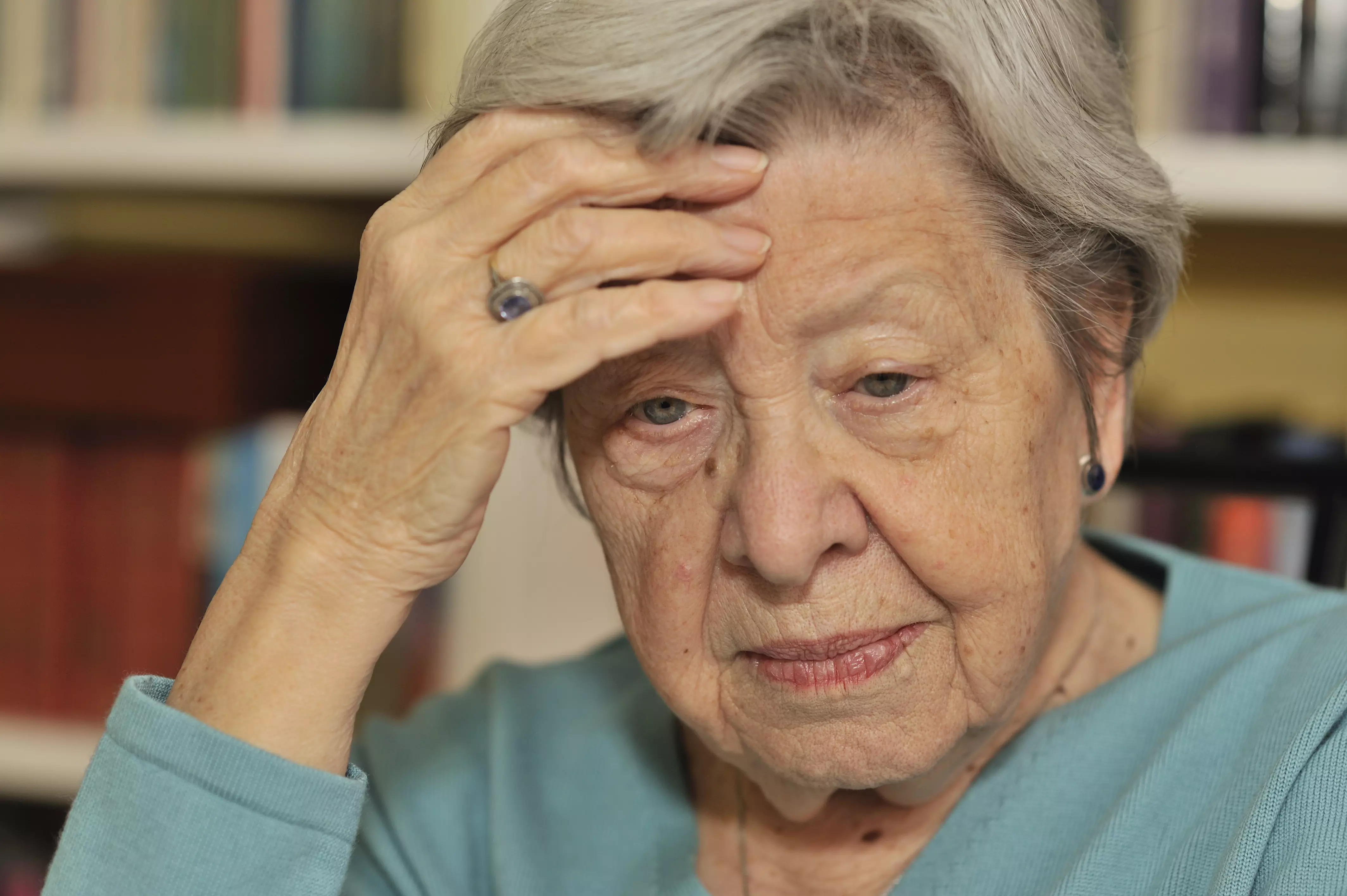
Social withdrawal in older adults rarely happens overnight. It is often gradual, subtle and easy to misinterpret. A parent who once enjoyed outings may start declining invitations. Phone calls become shorter. Visits feel less frequent. Over time, isolation quietly replaces engagement.
In the UK, social isolation among older adults is increasingly recognised as a major health concern. Research consistently links loneliness to higher risks of depression, cognitive decline and physical illness. According to the NHS, prolonged social isolation can significantly impact both mental and physical wellbeing in later life.
Understanding why some seniors withdraw socially is essential for families who want to intervene early and preserve quality of life.
Loss of Confidence and Mobility
Find YOUR ideal care home NOW!
One of the most common reasons for social withdrawal is declining mobility. Joint pain, balance issues or fear of falling can make leaving the house feel risky. A senior who worries about navigating stairs, pavements or public transport may prefer to stay home.
Even small mobility challenges can lead to avoidance. Over time, reduced activity weakens muscles further, making outings even more difficult. What begins as caution can gradually become isolation.
When physical confidence decreases, social confidence often follows.
Hearing and Vision Changes
Sensory decline plays a powerful but often overlooked role in withdrawal. Hearing loss can make conversations exhausting and embarrassing. Seniors may struggle to follow group discussions or misinterpret words, leading to frustration.
Similarly, vision changes can make reading facial expressions or navigating unfamiliar environments more difficult. Rather than repeatedly asking others to repeat themselves, some older adults choose silence or avoidance.
Social withdrawal may therefore reflect sensory strain rather than emotional detachment.
Depression and Emotional Distress
Depression in older adults does not always present as sadness. It often appears as fatigue, low motivation and reduced interest in previously enjoyable activities. A senior experiencing depression may decline invitations simply because they lack energy or enthusiasm.
Bereavement, particularly the loss of a spouse or close friend, is a major trigger for withdrawal. Without their primary companion, some older adults find social settings overwhelming or painful reminders of loss.
When withdrawal is accompanied by appetite changes, sleep disturbance or irritability, emotional causes should be considered.
Cognitive Changes and Anxiety
Early cognitive decline can also contribute to isolation. Seniors experiencing memory lapses may fear embarrassment in social situations. Anxiety about forgetting names or losing track of conversations can lead to avoidance.
In some cases, confusion in unfamiliar environments increases discomfort. Rather than confronting these challenges, individuals may choose the perceived safety of home.
Withdrawal can therefore be a protective response to cognitive uncertainty.
Chronic Illness and Fatigue
Long-term health conditions frequently reduce social engagement. Chronic pain, fatigue or breathlessness can make outings physically demanding. If attending an event requires significant recovery time, seniors may begin declining invitations.
Medical appointments and health concerns can also dominate routine, leaving little energy for social interaction.
When illness limits participation, isolation often follows unless alternative forms of connection are encouraged.
Warning Signs That Withdrawal Is Becoming Concerning
Occasional preference for quiet time is normal. However, persistent withdrawal over weeks or months may signal a deeper issue. Families should watch for reduced communication, cancelled plans, neglected hobbies or visible mood changes.
A senior who stops answering calls or rarely leaves home may be experiencing more than simple introversion.
The following table summarises common causes of social withdrawal and their implications.
| Possible Cause | Associated Signs | Level of Concern |
|---|---|---|
| Mobility decline | Fear of falling, reduced outings | Moderate to High |
| Hearing loss | Difficulty following conversations | Moderate |
| Depression | Low mood, loss of interest | High |
| Cognitive changes | Anxiety about memory lapses | High |
| Chronic illness | Fatigue, physical limitation | Moderate to High |
Health Risks of Prolonged Isolation
Social isolation is not merely an emotional issue. It has measurable physical consequences. Studies link loneliness to increased risk of cardiovascular disease, weakened immune response and faster cognitive decline.
Reduced engagement also limits mental stimulation, which is important for preserving cognitive health. Isolation often leads to decreased activity levels, further contributing to muscle weakness and fall risk.
Recognising withdrawal early allows families to prevent a cascade of physical and emotional decline.
What Families Can Do
Open, non-judgemental conversations are essential. Rather than insisting on participation, families should explore underlying concerns. Is mobility causing anxiety? Are hearing difficulties making conversations stressful? Is grief still unresolved?
Encouraging small, manageable social interactions can rebuild confidence gradually. Addressing sensory issues with hearing assessments or mobility challenges with physiotherapy can significantly improve participation.
In some cases, structured environments with consistent social opportunities may provide the stimulation and safety needed to reverse isolation.
FAQ – Why Some Seniors Withdraw Socially
Is social withdrawal normal in older adults?
Occasional preference for solitude is normal, but persistent withdrawal may indicate mobility issues, depression or cognitive decline.
Can hearing loss cause isolation?
Yes. Difficulty following conversations often leads seniors to avoid social settings.
How does isolation affect health?
Prolonged isolation is linked to depression, cognitive decline and increased physical health risks.
When should families be concerned?
If withdrawal persists for several weeks, is accompanied by mood changes or affects daily functioning, professional advice should be sought.
Can social engagement improve wellbeing?
Yes. Regular interaction supports mental stimulation, emotional health and even physical resilience.
Need help finding a care home?
Senior Home Plus offers free personalized guidance to help you find a care facility that suits your health needs, budget, and preferred location in the UK.
Call us at 0203 608 0055 to get expert assistance today.
You are looking for a care home or nursing home for your loved one ?
Share this article :
Latest posts










You are looking for an establishment for your loved one ?
Get availability & prices
Fill in this form and receive
all the essential information
We would like to inform you of the existence of the opposition list for telephone canvassing.
