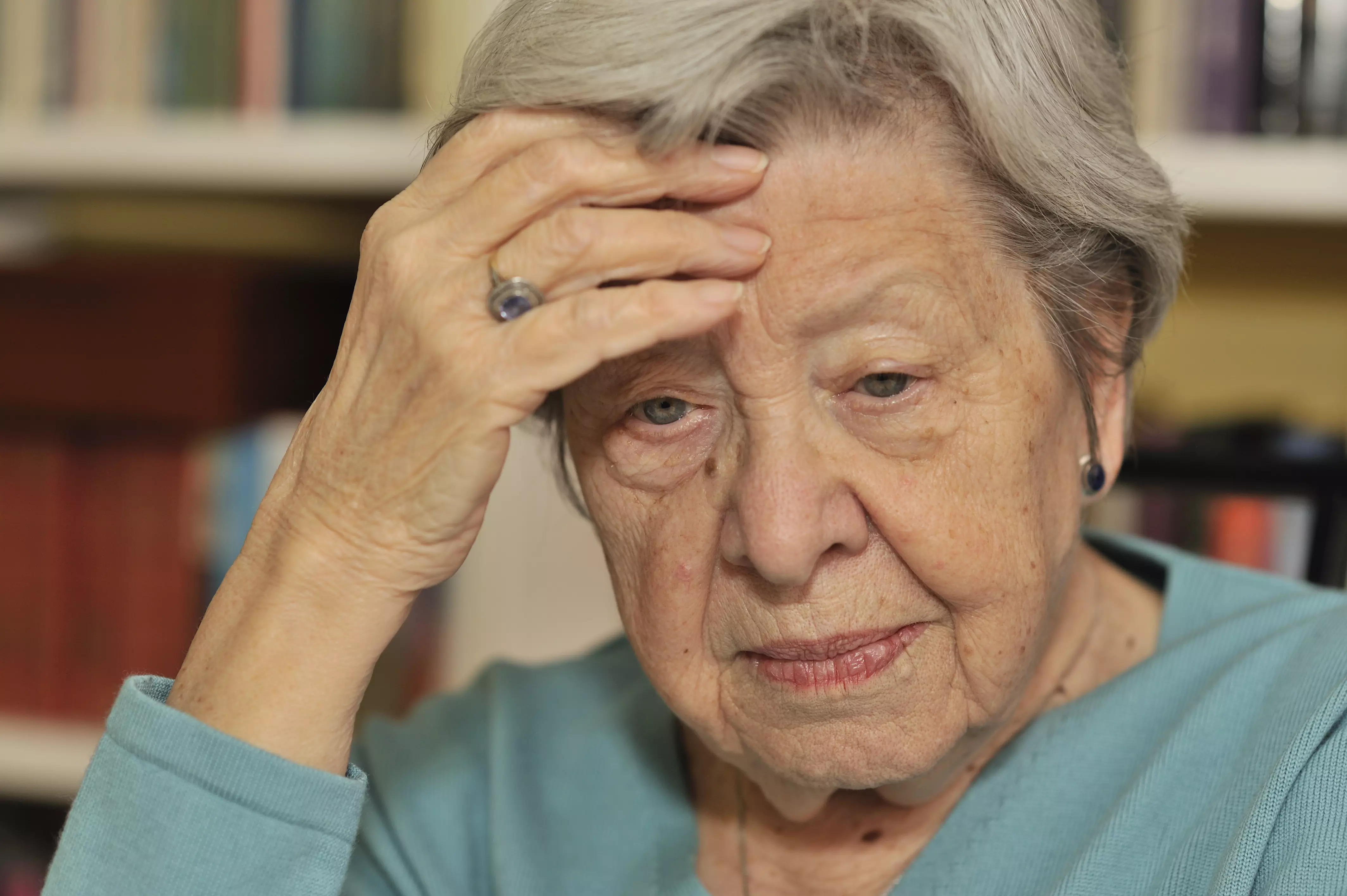
Cognitive decline does not only affect memory. It can gradually compromise judgement, awareness, coordination and decision-making. For families, the real concern often begins when small lapses start creating safety risks inside the home.
In the UK, cognitive impairment is increasingly recognised as a key factor behind falls, medication errors and preventable hospital admissions. According to the NHS, early identification of cognitive changes plays an essential role in reducing avoidable harm among older adults.
Understanding how cognitive decline impacts safety allows families to move from uncertainty to informed action.
Impaired Judgement and Risk Awareness
Find YOUR ideal care home NOW!
One of the earliest ways cognitive decline affects safety is through reduced judgement. A senior may underestimate risks that were previously obvious. They might attempt to climb on unstable furniture, forget to use mobility aids or cross roads without proper awareness.
Impaired judgement can also affect financial decisions, leaving older adults vulnerable to scams or impulsive spending. What appears as stubbornness may in fact reflect neurological changes affecting executive function.
When risk perception declines, supervision becomes more important.
Medication Mismanagement
Managing medication requires memory, planning and attention to detail. Cognitive decline can interfere with all three. Missed doses, accidental double dosing or confusion between prescriptions can have serious consequences.
In complex medication regimens, even mild memory impairment may lead to dangerous errors. This is particularly concerning for seniors taking blood thinners, insulin or heart medication.
Medication mismanagement is one of the most common safety risks linked to cognitive decline.
Increased Fall Risk
Cognition and balance are closely connected. Executive function helps coordinate movement and respond quickly to environmental changes. When cognitive processing slows, reaction time decreases.
A senior with cognitive decline may forget to use a walking aid, misjudge distances or fail to recognise obstacles. Disorientation can also lead to wandering into unsafe areas of the home.
The risk is amplified when confusion occurs at night.
Cooking and Household Hazards
Simple domestic tasks can become hazardous. Forgetting to turn off the hob, leaving water running or misusing electrical appliances are common warning signs.
As cognitive impairment progresses, the ability to follow multi-step processes declines. Preparing meals, managing laundry or operating heating systems may become increasingly unsafe.
These risks often develop gradually, making them harder to detect until a near-miss occurs.
Wandering and Disorientation
Disorientation is one of the most serious safety concerns. A senior may leave the house and become unable to find their way back, even in familiar neighbourhoods.
Wandering increases exposure to traffic accidents, weather-related risks and dehydration. Families often underestimate how quickly disorientation can escalate.
When a previously independent individual begins getting lost, immediate safety reassessment is necessary.
Emotional and Behavioural Changes
Cognitive decline can also trigger agitation, impulsivity or paranoia. These behavioural shifts may result in unsafe reactions, such as resisting necessary assistance or reacting aggressively during confusion.
Emotional distress combined with impaired reasoning can create unpredictable situations that require structured support.
The following table summarises key safety risks linked to cognitive decline.
| Safety Risk | Underlying Cognitive Issue | Level of Concern |
|---|---|---|
| Medication errors | Memory and planning deficits | High |
| Falls | Reduced judgement and reaction time | High |
| Cooking hazards | Difficulty following multi-step tasks | High |
| Wandering | Disorientation | Very High |
| Financial vulnerability | Poor judgement | Moderate to High |
When Safety Concerns Warrant Action
Not every cognitive lapse requires immediate relocation. However, when confusion repeatedly leads to unsafe situations, intervention becomes necessary.
If medication mistakes occur frequently, if wandering episodes increase or if falls become more common, families must evaluate whether the current living environment provides sufficient protection.
Proactive planning allows decisions to be made calmly rather than during crisis.
Balancing Independence and Protection
Maintaining dignity remains essential. The goal is not to restrict freedom unnecessarily but to ensure safety in a realistic way. Structured support environments can provide supervision, secure layouts and consistent care while preserving as much autonomy as possible.
Early assessment and gradual adaptation often reduce resistance and emotional distress.
FAQ – How Cognitive Decline Impacts Safety
Does mild cognitive decline always create safety risks?
Not immediately, but risks increase as memory, judgement and planning abilities weaken.
What is the most common safety issue linked to cognitive decline?
Medication errors and falls are among the most frequent concerns.
When should families seek professional advice?
If cognitive changes lead to repeated unsafe situations, medical and practical guidance should be sought.
Can home adjustments reduce risk?
Yes. Simplifying routines, organising medication systems and improving lighting can help, but may not be sufficient in advanced stages.
When is structured support necessary?
When supervision becomes essential to prevent harm, exploring additional support options is advisable.
Need help finding a care home?
Senior Home Plus offers free personalized guidance to help you find a care facility that suits your health needs, budget, and preferred location in the UK.
Call us at 0203 608 0055 to get expert assistance today.
You are looking for a care home or nursing home for your loved one ?
Share this article :
Latest posts










You are looking for an establishment for your loved one ?
Get availability & prices
Fill in this form and receive
all the essential information
We would like to inform you of the existence of the opposition list for telephone canvassing.
