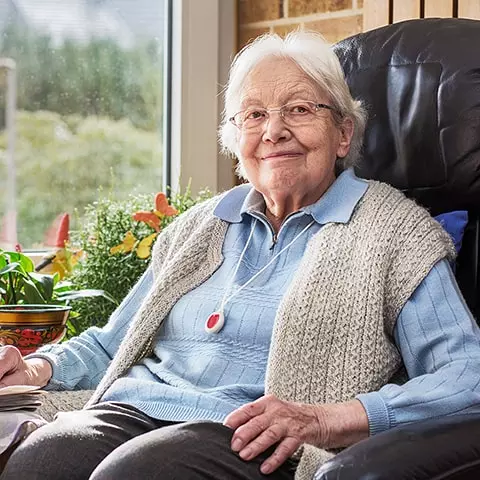
Falls at home are one of the most common and serious risks affecting older adults. While a fall may seem like a simple accident, in later life it can lead to fractures, hospitalisation, long recovery periods and, in some cases, a permanent loss of independence.
What makes falls particularly concerning is that they often occur in familiar environments. The home, which should represent safety and comfort, can become a space of hidden risks when mobility, vision or balance begin to decline with age. Understanding how to prevent falls is therefore essential for protecting an ageing loved one.
Why falls become more frequent with age
Find YOUR ideal care home NOW!
As people age, several physical changes increase the risk of falling. Muscle strength naturally decreases, making it harder to maintain stability during movement. At the same time, slower reflexes reduce the body’s ability to react quickly to unexpected obstacles or slips.
Vision changes can also make it more difficult to detect hazards such as uneven flooring or poorly lit areas. In addition, certain medications may cause dizziness or lower blood pressure, further increasing instability. When combined, these factors significantly raise the likelihood of accidents at home.
How most falls happen in the home
Falls rarely occur without cause. They are often the result of small environmental risks that accumulate over time. Loose rugs, cluttered walkways and poor lighting are among the most common hazards in domestic environments.
Bathrooms are particularly high-risk areas due to slippery surfaces and lack of support structures. Stairs also present a significant challenge, especially when handrails are missing or poorly maintained. In many cases, these risks are not immediately obvious until a fall occurs.
Essential reflexes to prevent falls at home
| Risk Situation | Why It Is Dangerous | Preventive Action | Impact on Safety |
|---|---|---|---|
| Cluttered walkways | Increases risk of tripping over objects | Keep floors clear and organized | Significantly reduces fall risk |
| Poor lighting | Limits visibility of obstacles | Install bright and accessible lighting in all rooms | Improves navigation and awareness |
| Slippery bathroom surfaces | High risk of slipping on wet floors | Use non-slip mats and grab bars | Strong protection in high-risk area |
| Loose rugs or carpets | Can shift unexpectedly underfoot | Secure or remove loose floor coverings | Prevents sudden tripping incidents |
| Improper footwear | Reduces stability and grip | Use supportive, non-slip shoes indoors | Improves balance and control |
Why falls have a long-term impact
A fall is rarely an isolated event in older adults. Beyond immediate injuries, it often leads to a loss of confidence, which can significantly reduce mobility. Many seniors begin to limit their movements out of fear of falling again, which can result in reduced physical activity and further muscle weakening.
This creates a cycle where reduced movement increases the risk of future falls. Over time, this can affect independence and overall quality of life, making prevention strategies even more important.
When families should take action
If an older adult has experienced a fall, even a minor one, it should always be taken seriously. Repeated falls or near-fall incidents are strong indicators that underlying risks need to be addressed. A medical assessment can help identify contributing factors such as medication side effects, balance disorders or vision problems.
In addition to medical evaluation, a home safety review can play a crucial role in preventing future accidents. Small environmental changes often make a significant difference in reducing risk.
FAQ – Falls at Home in Older Adults
What is the most common cause of falls at home in seniors?
The most common causes include poor balance, environmental hazards, muscle weakness and medication side effects.
Are falls a normal part of ageing?
No, while risk increases with age, falls are not a normal or inevitable part of ageing and often indicate preventable risk factors.
How can falls be prevented at home?
Falls can be prevented by improving lighting, removing hazards, using supportive footwear and ensuring safe bathroom and stair areas.
When should a doctor be consulted after a fall?
A doctor should be consulted after any fall, especially if it is repeated, unexplained or results in injury.
Can falls indicate underlying health problems?
Yes, frequent falls may be linked to balance disorders, neurological conditions or medication-related issues.
Find the right care support for your loved one
When falls become frequent or home safety becomes difficult to maintain, families may need to consider additional support and supervision. Comparing care homes in the UK helps ensure a safer environment with professional assistance, mobility support and continuous monitoring tailored to individual needs. Early planning reduces risks and improves long-term safety.
Compare care homes in the UKYou are looking for a care home or nursing home for your loved one ?
Share this article :
Latest posts










You are looking for an establishment for your loved one ?
Get availability & prices
Fill in this form and receive
all the essential information
We would like to inform you of the existence of the opposition list for telephone canvassing.
