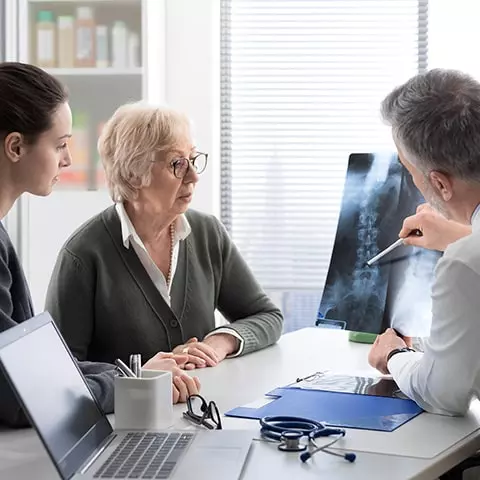
Hip pain is often dismissed as a normal part of ageing. Yet in older adults, persistent or worsening hip discomfort can be one of the earliest indicators of declining mobility. Because the hip joint plays a central role in balance, walking and posture, even mild pain can gradually alter movement patterns and increase fall risk.
According to the NHS, musculoskeletal conditions are among the most common causes of reduced independence in later life. Recognising early warning signs of mobility decline allows families to intervene before a minor issue develops into a serious safety concern.
Why the Hip Is So Important for Stability
Find YOUR ideal care home NOW!
The hip joint supports the body’s weight during standing and walking. It enables forward movement, lateral balance adjustments and rotation. When pain affects this joint, the body compensates automatically. Stride length shortens, walking speed decreases and posture shifts subtly.
These adaptations may initially appear harmless, but over time they reduce stability and increase the likelihood of falls. Hip pain rarely remains isolated; it often triggers a chain reaction affecting knees, lower back and overall coordination.
Gradual Changes in Walking Pattern
One of the earliest signs of hip-related mobility decline is a change in gait. A senior may begin to walk more slowly or favour one side. You may notice shorter steps or a slight limp that appears intermittently.
In some cases, turning becomes more cautious and requires multiple small steps. Climbing stairs may take longer, and standing up from a seated position may involve pushing heavily on armrests for support.
These changes suggest the body is trying to minimise stress on the painful joint.
Morning Stiffness and Reduced Range of Motion
Hip stiffness upon waking or after prolonged sitting is common in conditions such as osteoarthritis. While stiffness that eases with movement can be manageable, persistent limitation in range of motion indicates progression.
Difficulty bending to tie shoes, crossing legs or getting into a car are subtle but meaningful warning signs. Reduced flexibility affects balance and reaction time, both critical for fall prevention.
Pain That Radiates to the Groin or Thigh
Hip pain is not always felt directly at the side of the hip. Many seniors experience discomfort in the groin, upper thigh or even the knee. This can sometimes lead to delayed diagnosis because the source of pain is misunderstood.
Persistent groin pain when walking or bearing weight is particularly significant and should be assessed medically.
Increasing Reliance on Support
If a senior begins holding onto furniture while walking or avoids uneven surfaces, this may indicate growing instability linked to hip weakness or discomfort. Hesitation before stepping onto pavements or climbing stairs is another important signal.
When daily tasks start requiring additional support, mobility decline may already be underway.
Conditions Commonly Linked to Hip Pain
Several age-related conditions can contribute to hip discomfort. Osteoarthritis is one of the most prevalent causes, resulting from cartilage wear within the joint. Osteoporosis increases fracture risk, even from minor falls. In some cases, bursitis or tendon inflammation may cause localised pain.
While not all hip pain signals severe disease, persistent or worsening symptoms require evaluation to prevent complications.
The following table summarises early warning signs and their implications.
| Symptom | Possible Cause | Level of Concern |
|---|---|---|
| Slower walking speed | Joint pain or muscle weakness | Moderate |
| Persistent groin pain | Hip joint degeneration | High |
| Difficulty standing from seated position | Reduced hip strength | Moderate to High |
| Noticeable limp | Compensatory movement due to pain | High |
| Frequent near-falls | Mobility instability | Very High |
When Hip Pain Increases Fall Risk
Hip discomfort changes posture and centre of gravity. Seniors may lean forward slightly or shift weight unevenly, increasing instability. Chronic pain also affects concentration, reducing awareness of environmental hazards.
If hip pain leads to hesitation, slower reactions or difficulty navigating stairs, fall risk rises considerably. A single fall resulting in a hip fracture can dramatically impact independence and recovery time.
When to Seek Medical Advice
Persistent hip pain lasting more than a few weeks, pain that worsens with weight-bearing activity or sudden severe discomfort should always prompt medical consultation. Early intervention may include physiotherapy, medication adjustments or targeted exercise programmes. Addressing hip pain early often prevents further mobility decline.
When Mobility Decline Signals the Need for Additional Support
If hip pain begins limiting daily activities or contributing to repeated instability, families may need to reassess living arrangements. When safety concerns grow despite treatment efforts, exploring additional support options becomes a responsible and preventative decision.
The objective is to maintain dignity and independence while reducing the risk of serious injury.
FAQ – Hip Pain in Seniors
Is hip pain a normal part of ageing?
Mild stiffness can be common, but persistent or worsening hip pain should not be ignored, especially if mobility changes occur.
Can hip pain increase fall risk?
Yes. Pain alters balance, posture and walking patterns, significantly increasing the likelihood of falls.
What is the most common cause of hip pain in older adults?
Osteoarthritis is the most frequent cause, though other conditions such as bursitis or fractures may also occur.
When should a GP be consulted?
If hip pain lasts more than a few weeks, limits mobility or causes instability, medical advice should be sought.
Can early treatment improve mobility?
In many cases, early physiotherapy and targeted interventions can significantly improve strength and reduce pain.
Need help finding a care home?
Senior Home Plus offers free personalized guidance to help you find a care facility that suits your health needs, budget, and preferred location in the UK.
Call us at 0203 608 0055 to get expert assistance today.
You are looking for a care home or nursing home for your loved one ?
Share this article :
Latest posts










You are looking for an establishment for your loved one ?
Get availability & prices
Fill in this form and receive
all the essential information
We would like to inform you of the existence of the opposition list for telephone canvassing.
