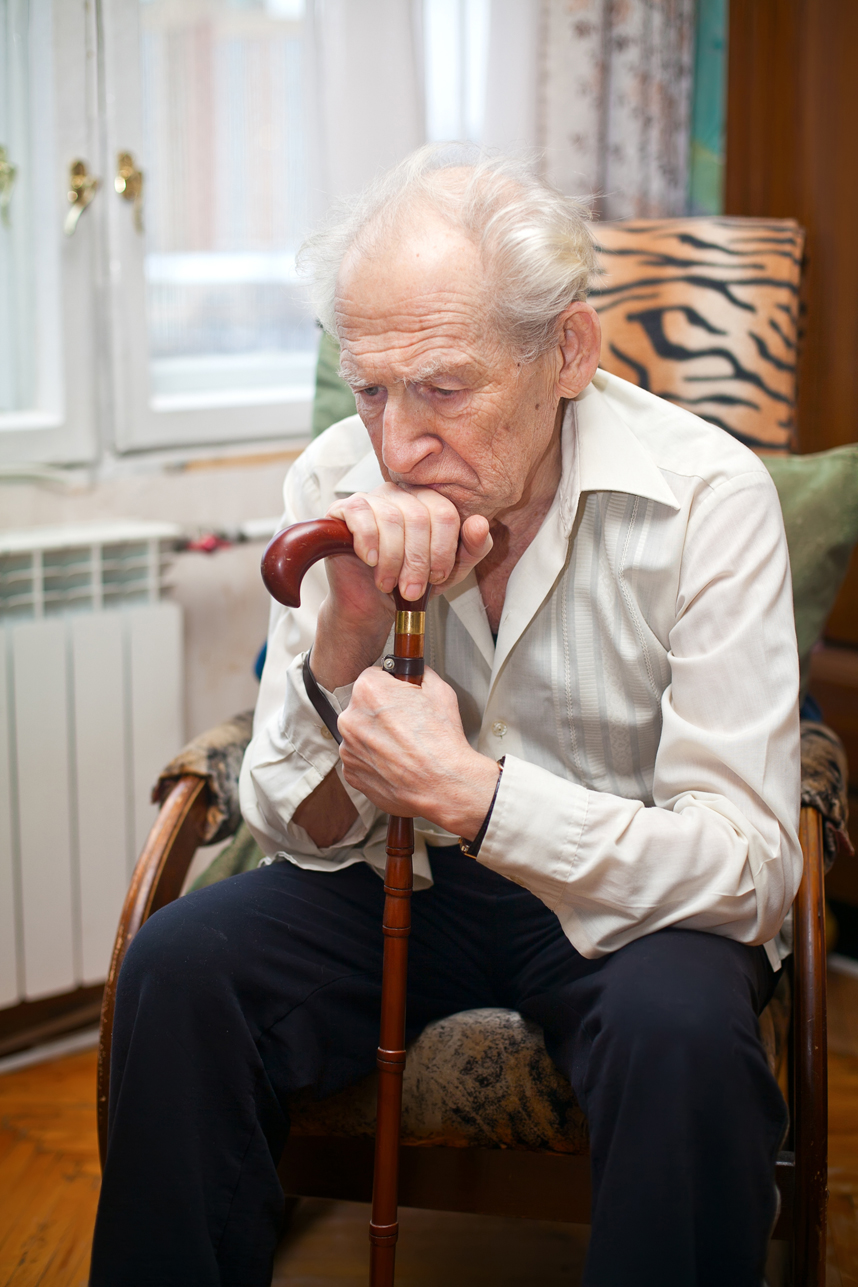
Weight changes are common throughout life, but unexplained weight loss in older adults should never be ignored. While some seniors may intentionally reduce food intake for health reasons, unintentional weight loss can signal an underlying medical, psychological or functional issue.
In the United Kingdom, clinicians consider unintentional weight loss of more than 5% of body weight within six to twelve months as clinically significant. According to the NHS, unexplained weight loss in older adults requires medical assessment because it is often associated with increased frailty, fall risk and hospitalisation.
Understanding the potential causes allows families to act early and prevent further decline.
Why Weight Loss Is More Concerning After 70
Find YOUR ideal care home NOW!
After the age of 70, muscle mass naturally declines through a process known as sarcopenia. When weight loss occurs, it often involves both fat and muscle tissue. Loss of muscle is particularly concerning because it directly affects strength, balance and independence.
Even a small reduction in body weight can significantly weaken an older adult. Reduced muscle mass increases fall risk and slows recovery after illness or injury.
In later life, weight loss rarely represents a cosmetic issue. It is often a marker of vulnerability.
Common Medical Causes
Several physical health conditions can contribute to unintended weight loss. Chronic infections, digestive disorders, thyroid dysfunction and certain cancers may reduce appetite or increase metabolic demand.
Heart failure and lung disease can also increase energy expenditure, causing gradual weight decline. In some cases, poorly controlled diabetes leads to unexplained weight reduction.
Medication side effects may suppress appetite, alter taste perception or cause nausea, indirectly contributing to reduced food intake.
Persistent weight loss without dietary changes should always prompt medical investigation.
Depression and Social Isolation
Weight loss in older adults is not always linked to physical illness. Depression, loneliness and social withdrawal frequently reduce appetite. A senior who eats alone regularly may lose interest in meals or skip them altogether.
Loss of a spouse or close companion can significantly affect eating habits. Reduced motivation to cook or shop may lead to nutritional decline.
Emotional wellbeing and nutritional health are closely connected in later life.
Cognitive Decline and Eating Difficulties
Early dementia can alter eating patterns. Some seniors forget to eat, misjudge portion sizes or lose awareness of hunger cues. Difficulties with chewing or swallowing may also limit intake.
In more advanced stages of cognitive decline, weight loss often accelerates if support is not provided.
Families should pay attention to empty refrigerators, expired food or noticeable changes in meal routines.
Malnutrition and Frailty
Unexplained weight loss often leads to frailty, a condition characterised by weakness, slower walking speed and reduced resilience. Frail individuals are more susceptible to falls, infections and hospital admissions.
Because muscle mass declines rapidly when nutritional intake decreases, strength loss may appear soon after weight changes.
The following table outlines common causes and levels of concern.
| Possible Cause | Associated Signs | Level of Concern |
|---|---|---|
| Chronic illness | Fatigue, weakness, persistent symptoms | High |
| Depression | Low mood, social withdrawal | Moderate to High |
| Cognitive decline | Forgetting meals, irregular eating | High |
| Medication side effects | Nausea, altered taste | Moderate |
| Malnutrition | Muscle weakness, fatigue, instability | Very High |
When Weight Loss Becomes Urgent
Medical attention should be sought if weight loss is rapid, exceeds 5% of body weight within a few months or is accompanied by fatigue, weakness, digestive symptoms or mood changes.
Sudden weight loss combined with confusion, dehydration or repeated falls requires prompt assessment.
Early diagnosis improves treatment outcomes and prevents further decline.
Impact on Mobility and Safety
Weight loss in older adults often leads to reduced muscle strength. Weakness affects balance, posture and reaction time. Even minor instability increases fall risk significantly.
In addition, decreased body mass reduces protective cushioning during a fall, increasing fracture risk.
Monitoring weight trends in older adults is therefore not only about nutrition but also about overall safety.
When to Consider Additional Support
If weight loss is linked to reduced independence, difficulty preparing meals or cognitive decline, families may need to evaluate whether daily support is sufficient. Structured assistance can ensure adequate nutrition and reduce associated health risks.
The decision should focus on preventing avoidable complications rather than responding to crisis situations.
FAQ – Unexplained Weight Loss in the Elderly
How much weight loss is considered concerning?
Unintentional loss of more than 5% of body weight within six to twelve months is generally considered significant.
Can depression cause weight loss in seniors?
Yes. Depression and loneliness frequently reduce appetite and motivation to eat.
Does weight loss increase fall risk?
Yes. Loss of muscle mass weakens stability and increases the likelihood of falls.
When should a GP be consulted?
If weight loss is persistent, rapid or accompanied by other symptoms, medical evaluation is strongly recommended.
Can weight loss be reversed?
In many cases, addressing underlying causes and improving nutritional intake can stabilise or reverse weight decline.
Need help finding a care home?
Senior Home Plus offers free personalized guidance to help you find a care facility that suits your health needs, budget, and preferred location in the UK.
Call us at 0203 608 0055 to get expert assistance today.
You are looking for a care home or nursing home for your loved one ?
Share this article :
Latest posts










You are looking for an establishment for your loved one ?
Get availability & prices
Fill in this form and receive
all the essential information
We would like to inform you of the existence of the opposition list for telephone canvassing.
