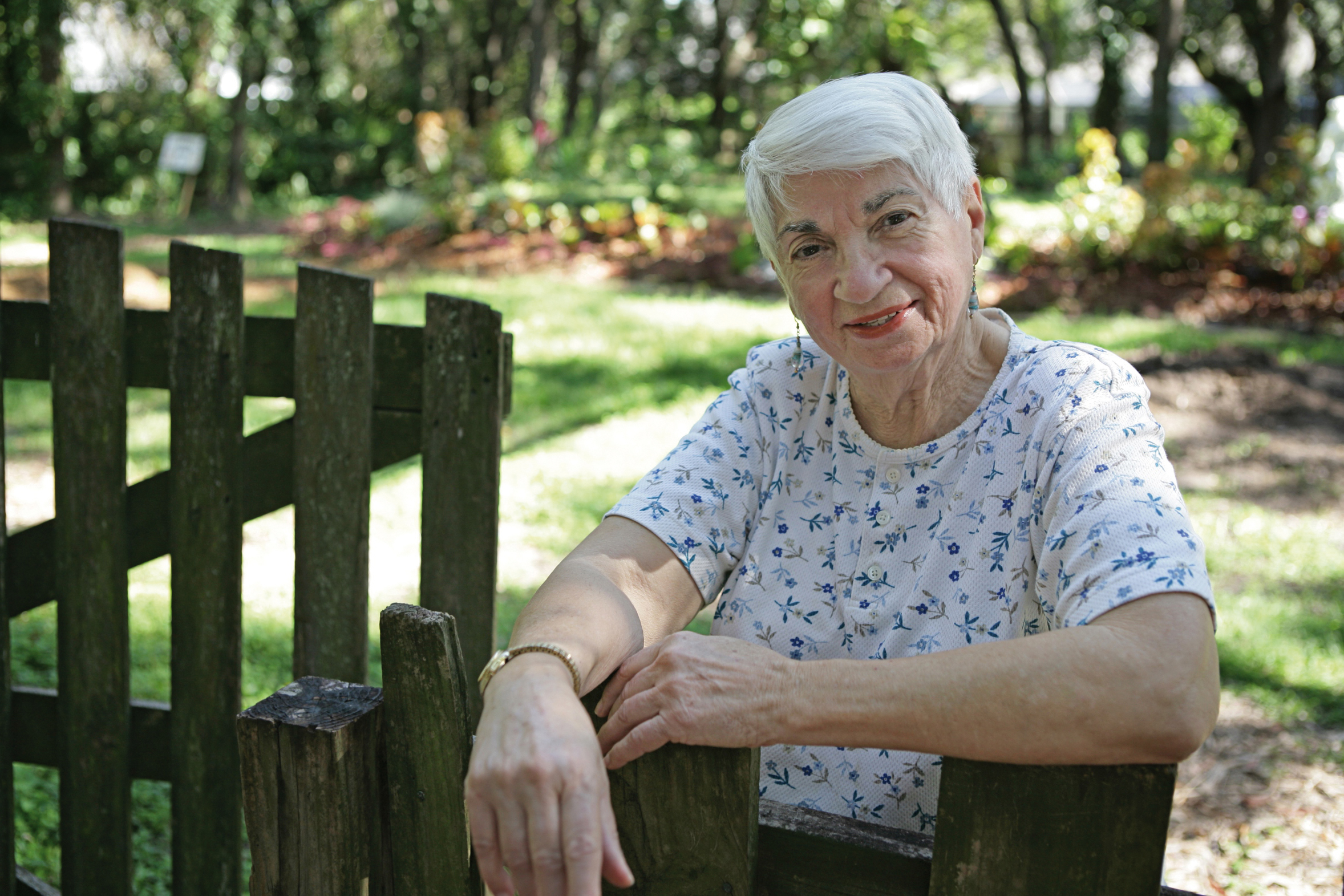
Staying active after the age of 65 is one of the most effective ways to maintain independence, improve overall wellbeing, and reduce health risks associated with ageing. According to UK health data, regular physical activity can reduce the risk of falls in older adults by up to 30–40%, a significant factor considering that falls remain one of the leading causes of injury among seniors.
However, staying active does not mean intense exercise. It is about choosing safe, consistent, and enjoyable movements that support strength, balance, and confidence in daily life.
Below are seven accessible and effective ways for older adults in the UK to stay active.
1. Walking as a Daily Routine
Walking is one of the simplest and most effective forms of exercise. It supports cardiovascular health, strengthens muscles, and improves balance without putting excessive strain on joints.
Even a 20–30 minute walk per day can significantly improve mobility and mood. Parks, residential areas, and walking groups provide safe and enjoyable environments for regular activity.
Find YOUR ideal care home NOW!
2. Chair Exercises for Gentle Strength Training
Chair-based exercises are ideal for those with reduced mobility or balance concerns. They help maintain muscle strength, flexibility, and coordination.
These exercises can include seated leg lifts, arm raises, and gentle stretching routines. They are often recommended by physiotherapists as part of fall-prevention programmes.
3. Swimming for Joint-Friendly Movement
Swimming is particularly beneficial because it supports the body while reducing pressure on joints. This makes it an excellent option for individuals with arthritis or chronic pain.
Regular swimming improves endurance, strengthens the heart, and enhances overall flexibility without the risk of impact injuries.
4. Gardening for Physical and Mental Wellbeing
Gardening combines light physical activity with mental relaxation. Tasks such as planting, weeding, and watering promote gentle movement and improve dexterity.
Beyond physical benefits, gardening is also linked to reduced stress levels and improved emotional wellbeing in older adults.
5. Light Home-Based Exercise Routines
Simple stretching or low-impact exercise routines at home help maintain daily movement habits. These can be done in short sessions throughout the day.
Consistency is more important than intensity, and even 10-minute sessions can contribute to better mobility over time.
6. Group Activities and Social Movement
Joining group-based physical activities, such as dance classes or walking clubs, helps combine movement with social interaction. This is important because social engagement is closely linked to better mental health in older adults.
Being active in a group also increases motivation and consistency.
7. Balance and Stability Training
Improving balance is essential for fall prevention. Exercises such as heel-to-toe walking or standing on one leg (with support if needed) can strengthen stability over time.
These exercises are often recommended in UK fall-prevention guidelines due to their effectiveness in reducing injury risk.
Summary Table: Key Activities and Benefits
| Activity | Main Benefit | Best For | Frequency |
|---|---|---|---|
| Walking | Improves cardiovascular health and balance | All mobility levels | Daily |
| Chair exercises | Builds strength safely | Limited mobility | 3–5 times per week |
| Swimming | Joint-friendly full-body exercise | Joint pain or arthritis | 2–3 times per week |
| Gardening | Light physical activity + mental wellbeing | Active seniors | Weekly or daily |
| Balance training | Reduces fall risk by improving stability | All seniors | Daily short sessions |
Why Staying Active Matters After 65
Ageing naturally brings changes in strength, balance, and mobility. However, inactivity accelerates these changes. Research in the UK consistently shows that regular movement reduces the likelihood of falls, supports independence, and improves long-term health outcomes.
Even small lifestyle changes can have a measurable impact on quality of life.
FAQ – Staying Active for Older Adults in the UK
What is the best exercise for seniors with limited mobility?
Chair exercises and gentle walking are the safest and most recommended options for maintaining movement without strain.
How often should older adults exercise?
Most UK health guidelines suggest light to moderate activity on most days of the week, even if it is in short sessions.
Can exercise really reduce the risk of falls?
Yes. Studies indicate that regular physical activity can reduce fall risk by 30–40% in adults over 65.
Is swimming better than walking for older adults?
Both are beneficial. Swimming is easier on the joints, while walking is more accessible and helps with bone strength.
Take the Next Step Towards Safer, More Active Living
Maintaining independence and wellbeing in later life starts with the right daily habits. Small, consistent actions can significantly improve mobility, confidence, and quality of life.
Summary
Staying physically active after 65 plays a crucial role in maintaining mobility, balance, and overall health. Activities such as walking, chair exercises, swimming, gardening, and balance training help older adults preserve independence while reducing the risk of falls and chronic illness. Consistency and variety of movement are more important than intensity.
Key Takeaways
- Walking daily improves cardiovascular health, mood, and balance.
- 20–30 minutes of walking can significantly support mobility and wellbeing.
- Chair exercises help maintain strength and flexibility for those with limited mobility.
- Swimming is ideal for joint health and reduces impact on the body.
- Gardening provides both physical activity and mental relaxation benefits.
- Short home-based exercise sessions help maintain consistent movement habits.
- Group activities improve motivation and combine exercise with social interaction.
- Balance training reduces the risk of falls and injuries in older adults.
- Even light daily activity is more effective than occasional intense exercise.
- Regular movement supports independence, mental health, and long-term wellbeing.
Explore supportive living options and guidance here:
Discover Care & Support Options
You are looking for a care home or nursing home for your loved one ?
Get our support
Share this article :
Latest posts










You are looking for an establishment for your loved one ?
Get availability & prices
Fill in this form and receive
all the essential information
We would like to inform you of the existence of the opposition list for telephone canvassing.
