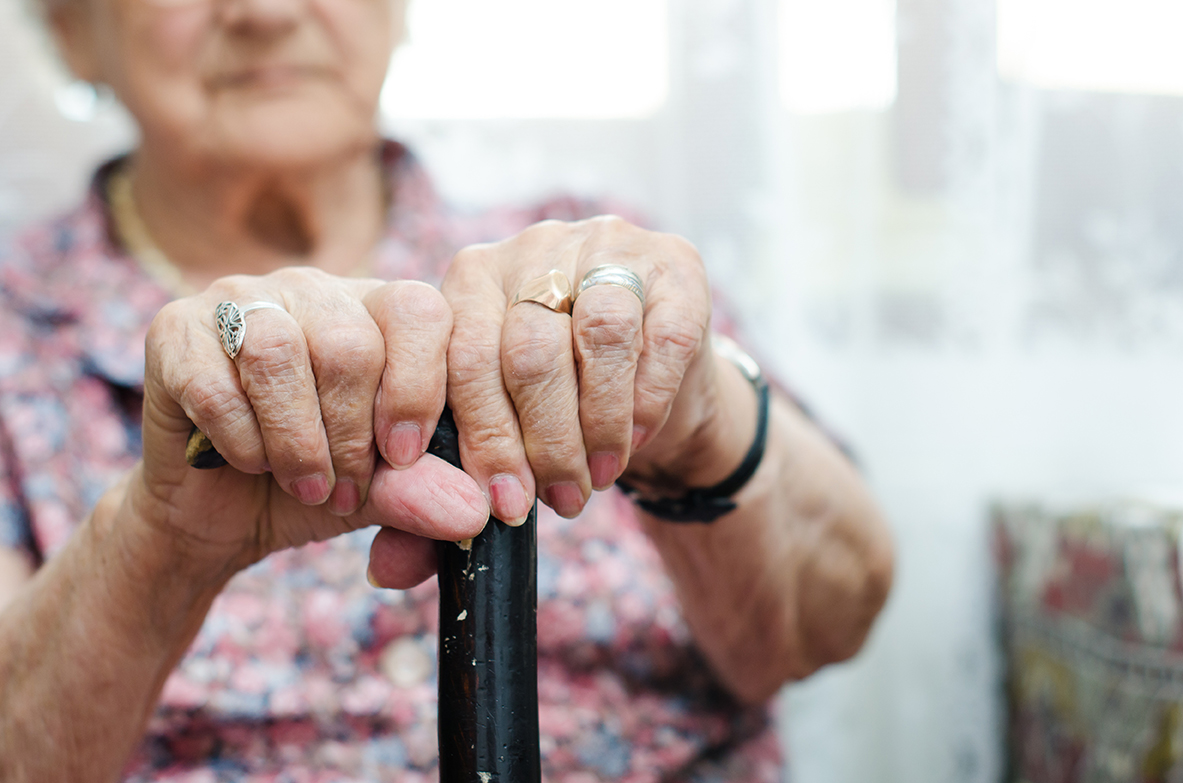
Retirement is often seen as a period of rest and personal freedom, but it can also bring unexpected challenges, particularly when it comes to maintaining social connections. In the UK, more than 1.4 million older people experience chronic loneliness, a condition that has been closely linked to declining physical and mental health. Research also shows that loneliness can increase the risk of early death by up to 26%, highlighting just how important social engagement becomes in later life.
Staying socially active is not simply about enjoyment; it plays a fundamental role in protecting wellbeing, preserving independence, and improving overall quality of life. Below are six key benefits of maintaining strong social connections after retirement.
1. Improved Mental Health and Reduced Depression Risk
Regular social interaction helps reduce feelings of isolation, anxiety, and depression. Conversations, shared experiences, and emotional support from others contribute to a more stable and positive mental state. Seniors who remain socially engaged often report higher levels of happiness and emotional resilience.
Find YOUR ideal care home NOW!
2. Stronger Cognitive Function and Memory Health
Social activity stimulates the brain through communication, problem-solving, and emotional engagement. Studies have shown that regular social interaction can help maintain cognitive performance and may reduce the risk of cognitive decline over time.
Engaging in discussions, group activities, or volunteering helps keep the mind active and responsive.
3. Lower Risk of Loneliness-Related Health Issues
Loneliness is not only an emotional condition; it is also linked to physical health risks. Research indicates that chronic loneliness can increase the risk of early mortality by up to 26%, making it as significant a health factor as smoking or obesity in some studies.
Staying socially connected helps regulate stress levels, improve sleep quality, and support overall physical health.
4. Increased Sense of Purpose and Routine
After retirement, daily structure can become less defined. Social activities such as clubs, community groups, or volunteering provide a sense of purpose and routine, which are essential for emotional stability.
Having regular commitments encourages motivation and helps create a more balanced and fulfilling lifestyle.
5. Better Physical Health Through Active Engagement
Social engagement often leads to more physical activity, even in simple forms such as walking to meet friends, attending group events, or participating in community activities.
This indirect increase in movement contributes to better cardiovascular health, improved mobility, and greater overall energy levels.
6. Expanded Support Network in Times of Need
Maintaining social relationships ensures that older adults have a stronger support system when challenges arise. Whether it is emotional support, practical help, or companionship, a reliable social network plays a critical role in maintaining independence and safety.
Community connections often become especially valuable during periods of illness or life changes.
Summary Table: Key Benefits of Staying Social After Retirement
| Benefit | Impact on Wellbeing | Examples of Social Activities |
|---|---|---|
| Mental health improvement | Reduces depression and anxiety | Friendship groups, social clubs |
| Better cognitive function | Supports memory and brain activity | Group discussions, classes |
| Reduced loneliness | Improves emotional stability | Community centres, meetups |
| Sense of purpose | Improves motivation and routine | Volunteering, clubs |
| Physical health benefits | Encourages mobility and activity | Walking groups, events |
| Stronger support network | Increases safety and reassurance | Neighbourhood groups, family circles |
Why Social Connection Matters More With Age
As people age, life circumstances often change, including retirement, reduced mobility, or loss of close friends and partners. These transitions can gradually reduce social interaction unless actively maintained.
However, consistent engagement in social activities has been shown to significantly improve emotional wellbeing and reduce health risks associated with isolation. In many cases, staying socially active is just as important as maintaining physical health.
FAQ – Staying Social After Retirement in the UK
Why is social interaction important for older adults?
Social interaction helps reduce loneliness, supports mental health, and improves overall quality of life in retirement.
How common is loneliness among seniors in the UK?
More than 1.4 million older people in the UK experience chronic loneliness, making it a significant public health concern.
Can loneliness affect physical health?
Yes. Research shows that loneliness can increase the risk of early death by up to 26%, and is linked to several chronic health conditions.
What are the best social activities for retirees?
Clubs, volunteering, community centres, walking groups, and hobby-based classes are all highly beneficial.
Building a More Connected and Active Retirement
Staying socially active after retirement is one of the most effective ways to maintain both emotional and physical wellbeing. Even small, regular interactions can create a meaningful difference in quality of life.
Explore Supportive Living and Community-Focused Care Options
Supporting independence through connection and care
Maintaining social engagement is essential for healthy ageing, but some older adults may benefit from environments that naturally encourage interaction, structured activities, and daily support. Choosing the right setting can help reduce isolation while promoting independence, safety, and wellbeing. Families looking to explore suitable options can access tailored guidance to identify solutions that match both social and care needs.
Explore Care and Support OptionsYou are looking for a care home or nursing home for your loved one ?
Get our support
Share this article :
Latest posts










You are looking for an establishment for your loved one ?
Get availability & prices
Fill in this form and receive
all the essential information
We would like to inform you of the existence of the opposition list for telephone canvassing.
