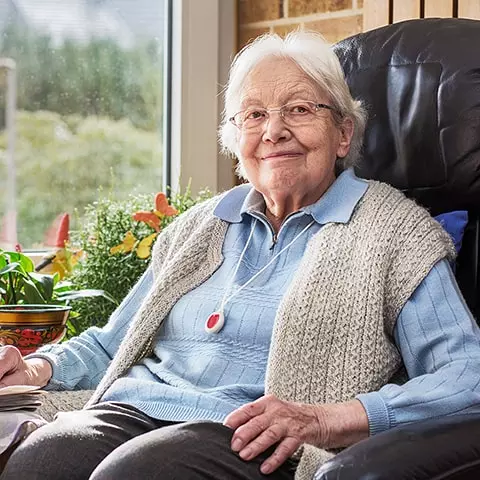
Winter in the United Kingdom brings shorter days, lower temperatures and unpredictable weather conditions. For older adults, these seasonal changes significantly increase the risk of falls, both outdoors and inside the home. According to the NHS, falls are one of the leading causes of injury-related hospital admissions among people over 65, and winter months consistently see a noticeable rise in emergency cases.
Cold weather does not simply make pavements slippery. It affects the body itself, alters routines and introduces environmental hazards that may not be present during other seasons. Understanding these risks allows families to take preventative action before a minor incident becomes a serious injury.
Why Winter Increases Fall Risk in Older Adults
Find YOUR ideal care home NOW!
Colder temperatures have a direct impact on muscles and joints. As temperatures drop, muscles tighten and joint flexibility decreases. For seniors already experiencing reduced strength or arthritis, stiffness makes balance control more difficult. Reaction times may also slow in cold conditions, increasing the likelihood of losing stability after a slip.
In addition, winter often reduces overall physical activity. Shorter daylight hours discourage outdoor movement, which can lead to further muscle weakening. Reduced strength combined with environmental hazards creates a higher probability of falls.
Slippery Outdoor Surfaces and Hidden Ice
Icy pavements, wet leaves and frost-covered steps are obvious hazards. However, black ice presents particular danger because it is difficult to see. Older adults may underestimate the risk, especially on familiar routes near their home.
Even well-maintained pathways can become hazardous during early mornings or evenings when temperatures drop suddenly. A single misstep on ice can result in fractures, particularly hip fractures, which are associated with long recovery periods in older adults.
Footwear also plays a critical role. Smooth-soled shoes provide minimal grip, increasing instability on wet or frozen ground.
Poor Lighting During Shorter Days
Winter days are significantly shorter in the UK, which means many outings occur in low-light conditions. Reduced natural light affects depth perception and contrast sensitivity, both of which are essential for safe walking.
Inside the home, dim lighting in hallways or staircases becomes more problematic when daylight fades earlier. Shadows can obscure uneven flooring or small obstacles, making indoor falls more likely during winter evenings.
Heavy Clothing and Reduced Mobility
Layered winter clothing may provide warmth but can also restrict movement. Bulky coats and scarves limit arm swing and balance adjustments. Gloves can reduce grip strength, making handrails harder to hold securely.
Carrying umbrellas or shopping bags further divides attention and reduces stability, especially when navigating steps or uneven surfaces.
Increased Illness and Medication Changes
Winter often brings seasonal illnesses such as flu or chest infections. Temporary weakness, dehydration or fatigue caused by illness can increase fall risk. In some cases, medications prescribed for winter-related conditions may cause dizziness or drowsiness.
Older adults recovering from illness may underestimate how much their balance has been affected.
Indoor Hazards During Cold Weather
While outdoor ice is an obvious concern, many winter falls occur inside the home. Wet shoes brought indoors can create slippery surfaces near entrances. Condensation on tiled floors can increase slipperiness. Heaters and portable radiators may introduce new obstacles in frequently used areas.
Seniors may also rush to answer the door or move quickly to adjust heating, increasing the risk of losing balance.
The following table summarises the main winter-related fall risks and their impact.
| Winter Risk Factor | How It Increases Fall Risk | Level of Concern |
|---|---|---|
| Icy pavements | Reduced traction and sudden slips | High |
| Short daylight hours | Poor visibility and depth perception | Moderate to High |
| Cold-related muscle stiffness | Slower reactions and reduced flexibility | High |
| Bulky winter clothing | Restricted movement and balance | Moderate |
| Indoor wet flooring | Slippery surfaces near entrances | Moderate to High |
Early Warning Signs Families Should Watch For
Winter often reveals underlying mobility weaknesses that were less noticeable in warmer months. A senior who suddenly avoids going outdoors, walks more cautiously, or expresses fear about slipping may already feel less stable.
If you notice increased fatigue, slower walking speed or hesitation when stepping outside, these are important signals. Repeated minor slips or near-falls should never be dismissed, even if no injury occurs.
Prevention Strategies That Make a Real Difference
Simple adjustments can significantly reduce winter fall risk. Ensuring proper outdoor footwear with good grip improves stability. Adequate lighting in hallways, entrances and staircases reduces indoor hazards. Regular strength and balance exercises help counteract cold-related stiffness.
Encouraging seniors to take their time, avoid rushing and use handrails consistently can also prevent accidents. In some situations, families may need to assess whether additional support is required during the winter months.
When Winter Falls Signal a Larger Safety Concern
A fall during winter is not always an isolated event. It can reveal broader mobility decline or increasing frailty. If a senior has already experienced a fall or repeated near-misses during colder months, a more comprehensive safety evaluation is recommended.
Preventing a winter fall is far less disruptive than recovering from one. Early planning allows families to maintain independence while ensuring safety.
FAQ – Winter Fall Risks in the UK
Why do falls increase during winter in the UK?
Falls increase due to icy conditions, reduced daylight, cold-related muscle stiffness and indoor hazards caused by wet surfaces.
Are older adults more vulnerable to winter falls?
Yes. Age-related muscle weakness, slower reaction times and balance changes make seniors more susceptible to slipping on icy or wet surfaces.
Can indoor falls also increase in winter?
Yes. Poor lighting, wet shoes and reduced activity levels all contribute to higher indoor fall risk during winter months.
How can families reduce winter fall risk?
Improving lighting, encouraging proper footwear, promoting regular exercise and reviewing medications can significantly lower risk.
When should professional advice be sought?
If a senior has already fallen or shows visible instability during winter, it is advisable to seek medical guidance and evaluate safety measures promptly.
Need help finding a care home?
Senior Home Plus offers free personalized guidance to help you find a care facility that suits your health needs, budget, and preferred location in the UK.
Call us at 0203 608 0055 to get expert assistance today.
You are looking for a care home or nursing home for your loved one ?
Share this article :
Latest posts










You are looking for an establishment for your loved one ?
Get availability & prices
Fill in this form and receive
all the essential information
We would like to inform you of the existence of the opposition list for telephone canvassing.
