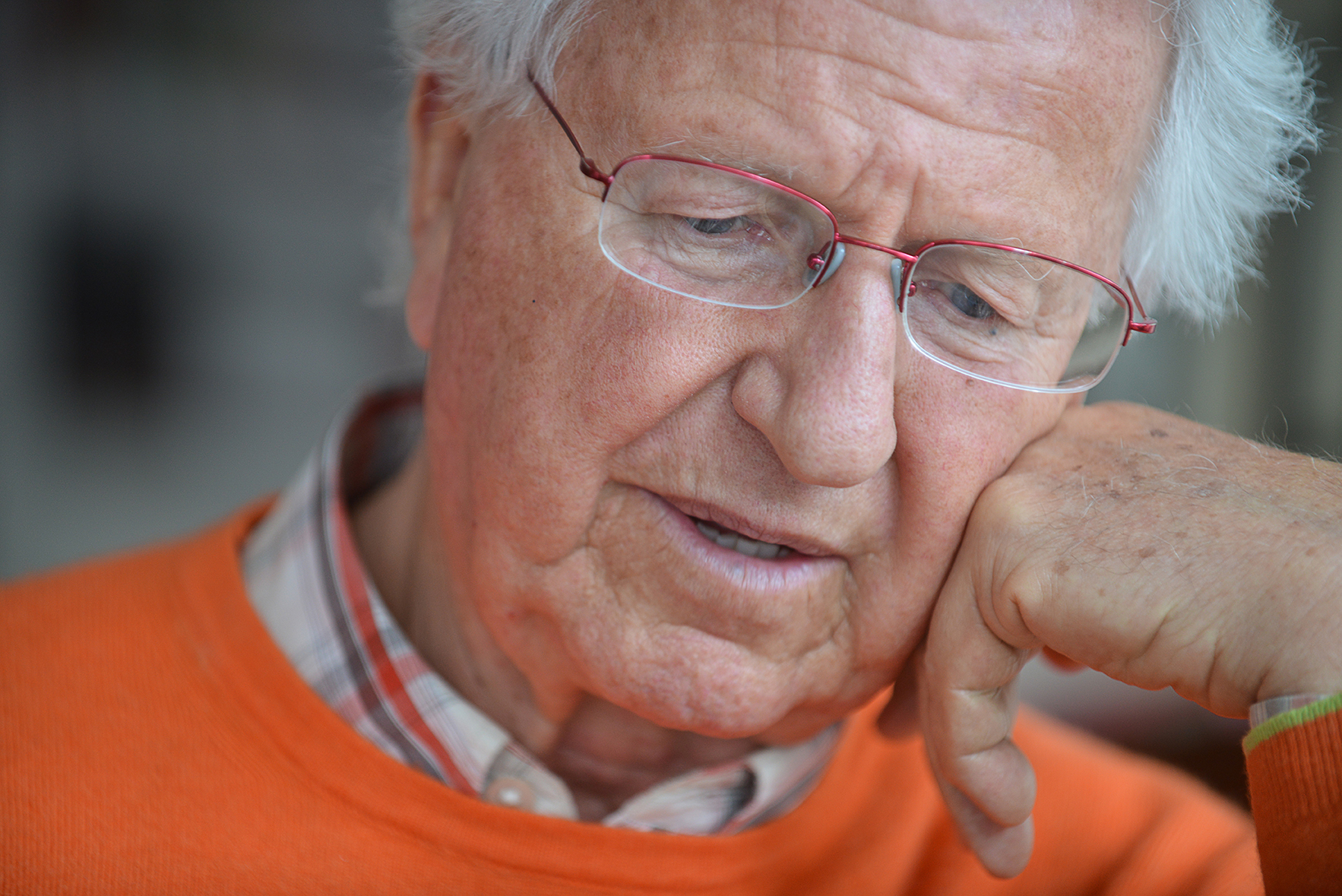
Social interaction is often presented as a central pillar of well-being in later life. In care environments, opportunities to connect are usually plentiful, structured, and encouraged with the intention of reducing isolation and fostering community. Yet for many elderly people, this abundance of social activity can quietly create a different challenge: the feeling that one must participate, engage, and be present, even when energy or desire does not align.
Staying social should never feel like a performance or a duty. When interaction becomes obligatory rather than chosen, it risks draining emotional energy instead of restoring it. Understanding how to remain socially connected without feeling pressured requires redefining what social life actually means in later life.
Why Social Pressure Can Increase With Structured Living
Find YOUR ideal care home NOW!
In environments where activities are organised and shared spaces are central, social interaction becomes more visible. Declining an invitation or choosing solitude can feel noticeable, even when no judgement is intended.
For elderly people who value autonomy and self-direction, this visibility can create subtle pressure to conform. Participation becomes less about enjoyment and more about meeting perceived expectations, whether from staff, peers, or family.
Social presence should support well-being, not replace choice.
The Difference Between Connection and Participation
Connection is often mistaken for participation. While participation involves being physically present, connection depends on emotional resonance, comfort, and authenticity.
An elderly person may attend multiple activities without feeling connected, while another may experience meaningful connection through a brief conversation or shared silence. Measuring social well-being by attendance overlooks this distinction. Connection cannot be scheduled.
Why Obligation Drains Social Energy
Obligatory interaction requires emotional effort. It involves monitoring behaviour, responding appropriately, and sustaining engagement beyond one’s natural capacity. Over time, this effort can lead to social fatigue, irritability, and withdrawal.
When people feel obliged to be social, they often need longer recovery periods, which may then be misinterpreted as disengagement or isolation. True social nourishment leaves space, not exhaustion.
Choosing Quality Over Frequency
In later life, social energy often becomes more finite. Choosing fewer, more meaningful interactions allows connection to remain restorative rather than depleting.
This shift does not indicate withdrawal from community. It reflects a refined understanding of personal limits and emotional needs. Quality preserves continuity.
Redefining What “Being Social” Looks Like
Being social does not always mean joining group activities or engaging in conversation. It can include shared routines, brief exchanges, or simply being in the presence of others without expectation.
Allowing social life to take quieter forms helps elderly people remain connected without pressure to perform or participate beyond their comfort. Presence can exist without interaction.
How Autonomy Shapes Social Comfort
Autonomy plays a central role in how social opportunities are experienced. When elderly people feel free to choose when and how they engage, social life tends to feel supportive.
When choice is limited, even well-intentioned activities can feel intrusive. The issue is not the availability of interaction, but the absence of control over participation.
Autonomy transforms interaction into connection.
Social Engagement Without Obligation
| Social Approach | How It Feels | Long-Term Impact |
|---|---|---|
| Obligatory participation | Pressure and emotional fatigue | Withdrawal and disengagement |
| Selective engagement | Comfort and authenticity | Sustained social balance |
| Quiet presence | Calm and inclusion | Sense of belonging without strain |
The Right to Say No Without Explaining
One of the most important aspects of healthy social life is the freedom to decline without justification. Elderly people should not feel required to explain fatigue, mood, or preference.
Normalising refusal protects dignity and prevents resentment. It also makes chosen interactions more meaningful. Choice sustains engagement.
How Social Comfort Changes With Age
With age, many people become more sensitive to noise, stimulation, and emotional demand. This sensitivity does not reflect intolerance, but a refined nervous system.
Respecting this change allows social life to adapt naturally, reducing overwhelm and preserving enjoyment. Sensitivity guides adaptation.
When Less Interaction Leads to Better Connection
Paradoxically, reducing the number of social interactions often deepens the quality of those that remain. Conversations feel more genuine. Presence feels less forced.
This depth strengthens relationships rather than weakening them. Depth replaces volume.
Encouraging Social Life Without Pressure
Supportive environments recognise that social needs vary daily. Encouragement should never become expectation.
When social life is presented as an option rather than an obligation, people engage more willingly and sustainably. Invitation matters more than insistence.
FAQ – Social Life in a Care Home
Is it normal to want less social interaction with age?
Yes. Social energy often becomes more selective.
Does declining activities mean isolation?
No. Choosing rest or solitude does not equal loneliness.
Can social pressure affect well-being?
Yes. Obligation can lead to fatigue and withdrawal.
Is quiet presence still a form of social connection?
Yes. Presence without interaction can be deeply connecting.
How can families support social balance?
By respecting choices and avoiding pressure.
Summary
Social pressure can increase in structured living environments because shared routines and visible participation make social choices more noticeable. Declining activities or choosing solitude may feel more exposed, even without explicit judgement. For many older adults, this can subtly shift social life from being driven by personal preference to feeling shaped by expectations. Over time, this may create tension between autonomy and belonging. However, social well-being is not defined by attendance, but by the quality, comfort, and authenticity of interactions.
Key Takeaways
- Structured environments make social participation more visible.
- Declining activities can feel socially noticeable even without judgement.
- Social pressure often comes from perception, not explicit expectation.
- Connection is not the same as attendance or participation.
- Obligatory interaction can lead to emotional fatigue.
- Social energy becomes more selective with age.
- Quality of interaction matters more than frequency.
- Quiet presence can still provide meaningful connection.
- Autonomy strongly influences social comfort and engagement.
- Choice reduces pressure and improves long-term social well-being.
Need help finding a care home?
Senior Home Plus offers free personalized guidance to help you find a care facility that suits your health needs, budget, and preferred location in the UK.
Call us at 0203 608 0055 to get expert assistance today.
You are looking for a care home or nursing home for your loved one ?
Get our support
Share this article :
Latest posts










You are looking for an establishment for your loved one ?
Get availability & prices
Fill in this form and receive
all the essential information
We would like to inform you of the existence of the opposition list for telephone canvassing.
