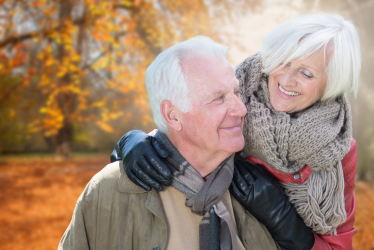
Movement remains one of the most powerful tools for aging well. Yet as the body changes over time, the way movement is approached must evolve. Graceful aging is not supported by intensity or performance, but by consistency, comfort, and respect for physical limits. Gentle movement plays a central role in maintaining mobility, confidence, and quality of life without unnecessary strain.
Rather than pushing the body to do more, gentle movement helps it continue doing what matters most: moving safely, comfortably, and with purpose. Over time, this approach supports both physical well-being and emotional balance.
Rethinking Movement in Later Life
Find YOUR ideal care home NOW!
Many people associate physical activity with effort, challenge, and visible results. In later life, this mindset can become counterproductive. Graceful aging requires a shift in perspective, where movement is no longer about progress or performance, but about preservation and ease.
Gentle movement supports the body as it is, not as it once was. It recognises that maintaining range of motion, balance, and coordination is often more valuable than increasing strength or endurance. This shift reduces the risk of injury and helps individuals remain active over the long term.
Mobility, Balance, and Everyday Confidence
One of the primary benefits of gentle movement is its impact on mobility. Regular, low-impact activity helps keep joints flexible and muscles responsive, making everyday actions standing up, walking, reaching feel more secure.
Balance also benefits significantly from gentle movement. Small, controlled motions improve coordination and body awareness, reducing fear and hesitation during daily tasks. As confidence increases, individuals are more likely to remain engaged in daily life, reinforcing independence.
Reducing Stiffness and Physical Discomfort
Stiffness is a common challenge as people age, particularly after periods of rest. Gentle movement helps counter this by encouraging circulation and maintaining joint lubrication. Even brief, regular activity can reduce discomfort and improve overall physical comfort.
Graceful aging prioritises how the body feels throughout the day. When movement is gentle and accessible, it becomes easier to maintain without triggering pain or fatigue. This consistency is key to long-term well-being.
Supporting Energy Rather Than Depleting It
High-intensity activity can sometimes drain energy reserves, especially when recovery takes longer. Gentle movement, by contrast, often supports energy levels by improving circulation and reducing tension.
By integrating movement naturally into daily routines, individuals can stay active without feeling exhausted. This approach aligns with graceful aging, which values sustainability over short bursts of effort.
The Emotional Benefits of Gentle Movement
Movement does not only affect the body; it also influences emotional well-being. Gentle activity can reduce stress, support mood stability, and create a sense of rhythm within the day.
Because gentle movement is achievable and non-competitive, it avoids the frustration that can come from unmet expectations. This helps preserve motivation and encourages a positive relationship with physical activity over time.
Adapting Movement Without Losing Identity
A common concern in later life is that adapting movement means giving something up. Graceful aging reframes adaptation as a form of strength. Doing things differently does not diminish identity; it protects it.
Gentle movement allows individuals to remain active on their own terms. It supports continuity, enabling people to stay connected to daily life without forcing the body to meet unrealistic demands.
How Gentle Movement Supports Aging Well
| Area of Well-Being | Gentle Movement Approach | Long-Term Benefit |
|---|---|---|
| Mobility | Low-impact, regular activity | Maintains ease of movement |
| Balance | Controlled, mindful motions | Reduces instability and hesitation |
| Physical comfort | Gentle stretching and circulation | Less stiffness and discomfort |
| Energy levels | Moderate, consistent movement | Sustained daily vitality |
| Emotional well-being | Accessible, pressure-free activity | Improved mood and confidence |
Gentle Movement as a Foundation for Graceful Aging
Graceful aging is not supported by extremes. It is sustained by habits that respect the body’s evolution and encourage ongoing engagement with life. Gentle movement offers exactly that: a way to remain active, confident, and comfortable over time.
By prioritising ease, consistency, and adaptability, gentle movement helps aging feel less like a challenge to overcome and more like a process to support thoughtfully.
FAQ – Gentle Movement and Graceful Aging
What is considered gentle movement in later life?
Gentle movement includes low-impact activities that support mobility and comfort without placing excessive strain on the body.
Is gentle movement effective even if it feels easy?
Yes. Consistent, low-impact activity provides significant long-term benefits for mobility, balance, and well-being.
Can gentle movement reduce stiffness and discomfort?
Yes. Regular gentle movement improves circulation and joint flexibility, helping reduce stiffness over time.
Is it safe to move every day?
For most people, gentle daily movement is both safe and beneficial, as long as it respects individual limits.
Does gentle movement help maintain independence?
Yes. By supporting mobility, balance, and confidence, gentle movement helps individuals remain autonomous longer.
Need help finding a care home?
Senior Home Plus offers free personalized guidance to help you find a care facility that suits your health needs, budget, and preferred location in the UK.
Call us at 0203 608 0055 to get expert assistance today.
You are looking for a care home or nursing home for your loved one ?
Share this article :
Latest posts










You are looking for an establishment for your loved one ?
Get availability & prices
Fill in this form and receive
all the essential information
We would like to inform you of the existence of the opposition list for telephone canvassing.
