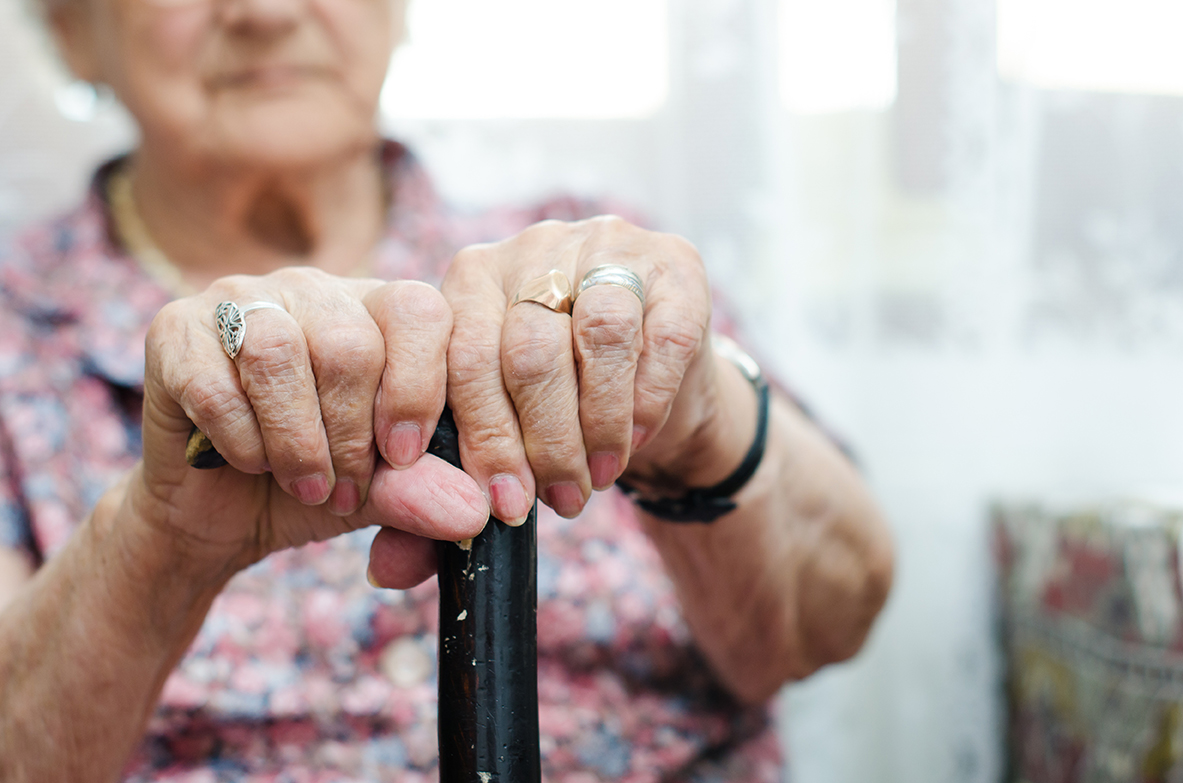
For decades, aging has been framed as something to fight. Youth was presented as the benchmark, and growing older as a gradual loss to be concealed or corrected. Today, that narrative no longer holds. Graceful aging is increasingly understood as a process of alignment, between the body, the mind, and daily life, rather than a pursuit of perpetual youth.
Focusing on well-being instead of appearance allows aging to become more sustainable, more humane, and ultimately more fulfilling. Graceful aging is not about reversing time. It is about learning how to live well within it.
Moving Away From the Youth-Centred Model of Aging
Find YOUR ideal care home NOW!
The obsession with youth places constant pressure on individuals to maintain standards that no longer reflect their reality or needs. This approach often leads to frustration, exhaustion, and a sense of inadequacy.
Graceful aging offers an alternative perspective. It shifts the focus from what is lost to what can still be nurtured: comfort, emotional balance, clarity, and meaningful daily experiences. Aging well becomes less about comparison and more about coherence between lifestyle and personal capacity.
Prioritising Physical Comfort Over Performance
Well-being-focused aging recognises that the body changes over time, and that these changes require thoughtful adaptation. Physical health remains important, but it is no longer measured by intensity or endurance.
Gentle movement, regular rest, and pacing activities according to energy levels help maintain mobility without unnecessary strain. Graceful aging encourages listening to the body rather than overriding it, allowing physical comfort to become a stable foundation for daily life.
Emotional Well-Being as a Central Pillar
One of the most significant aspects of graceful aging is emotional balance. With age often comes a clearer understanding of personal limits, values, and priorities. This clarity can support healthier boundaries and reduce exposure to unnecessary stress.
Well-being-focused aging places importance on emotional regulation, acceptance, and self-compassion. Letting go of unrealistic expectations, both internal and external, creates space for calm, confidence, and resilience.
Creating Daily Habits That Support Balance
Daily routines play a crucial role in graceful aging. Predictable structures offer reassurance, while flexibility allows individuals to adapt without pressure. Simple habits, repeated consistently, often have a greater impact on well-being than ambitious lifestyle changes.
Graceful aging values quality over quantity. A balanced day is not defined by how much is accomplished, but by how manageable and satisfying it feels.
Nourishing the Body Without Restriction
As appetite and digestion evolve, nutrition must adapt accordingly. Graceful aging does not promote rigid dietary rules or restrictive approaches. Instead, it encourages eating patterns that support comfort, energy, and enjoyment.
Hydration, regular meals, and attention to physical cues contribute significantly to overall well-being. Food becomes a source of support rather than control, aligning nourishment with the body’s changing needs.
Redefining Self-Care Beyond Appearance
Self-care in the context of graceful aging is not about maintaining a youthful image. It is about preserving a sense of self through routines that promote comfort, dignity, and confidence.
Simple acts, taking time to rest, maintaining personal rituals, or adjusting environments for ease, help reinforce autonomy and self-respect. Aging gracefully means caring for oneself in ways that feel realistic and supportive.
Graceful Aging: Well-Being vs. Youth-Oriented Approaches
| Aspect | Youth-Focused Aging | Well-Being-Focused Aging |
|---|---|---|
| Physical goals | Performance and endurance | Comfort, mobility, and balance |
| Emotional focus | Suppress signs of aging | Acceptance and emotional clarity |
| Daily rhythm | Maintain a fast pace | Adapt routines to energy levels |
| Nutrition | Restrictive or trend-based diets | Comfort-driven, flexible nourishment |
| Self-care | Appearance-focused routines | Support autonomy and dignity |
Aging Gracefully Through Alignment, Not Resistance
Graceful aging that prioritises well-being over youth allows individuals to move forward without constant self-judgment. It acknowledges change without turning it into a loss of identity.
Aging well is not about doing more, looking younger, or maintaining outdated standards. It is about living in alignment with current needs, capacities, and values. This shift creates a more sustainable and peaceful experience of later life.
FAQ – Graceful Aging and Well-Being
What does it mean to focus on well-being rather than youth when aging?
It means prioritising comfort, emotional balance, and quality of life instead of trying to maintain a youthful appearance or performance level.
Is graceful aging incompatible with staying active?
No. Graceful aging supports activity that respects physical limits and promotes long-term comfort rather than intensity.
Why is emotional well-being so important in graceful aging?
Emotional balance helps reduce stress, improve daily satisfaction, and support healthier adaptation to change.
Does focusing on well-being reduce independence?
On the contrary. By encouraging realistic adjustments, well-being-focused aging helps preserve autonomy and confidence.
Can this approach improve quality of life over time?
Yes. Aligning daily habits with well-being rather than youth-driven expectations supports sustainable, long-term quality of life.
Summary
Moving away from a youth-centred model of ageing involves shifting focus from appearance, performance, and comparison toward comfort, emotional balance, and meaningful daily living. Graceful ageing emphasises adapting to physical changes with gentleness, prioritising emotional wellbeing, and creating realistic routines that support dignity and independence. Rather than resisting ageing, this approach encourages alignment with current needs, values, and capacities to improve overall quality of life.
Key Takeaways
- A youth-centred mindset can create pressure, fatigue, and unrealistic expectations in later life.
- Graceful ageing prioritises comfort, emotional balance, and meaningful daily experiences.
- Physical activity should focus on gentle movement, pacing, and listening to the body.
- Emotional wellbeing improves when acceptance, clarity, and self-compassion are prioritised.
- Simple, consistent daily routines are more beneficial than demanding or rigid lifestyle goals.
- Nutrition should support comfort and energy rather than restrictive or trend-based rules.
- Self-care shifts from appearance-focused habits to dignity, autonomy, and comfort.
- Well-being-focused ageing helps preserve independence rather than reduce it.
- Alignment with current needs improves long-term quality of life and emotional stability.
Need help finding a care home?
Senior Home Plus offers free personalized guidance to help you find a care facility that suits your health needs, budget, and preferred location in the UK.
Call us at 0203 608 0055 to get expert assistance today.
You are looking for a care home or nursing home for your loved one ?
Share this article :
Latest posts










You are looking for an establishment for your loved one ?
Get availability & prices
Fill in this form and receive
all the essential information
We would like to inform you of the existence of the opposition list for telephone canvassing.
